Electric special vehicles make the most sense on defined routes with predictable stops and a reliable place to charge. An electric garbage truck, road sweeper, water truck and port tractor have different energy demands even when they use similar battery technology. Match the chassis and body to the actual shift, then test range with the working equipment running and the vehicle carrying its normal load.
Where do electric special vehicles fit best?
Start with the route, not the advertised driving range. A vehicle that returns to one depot after each shift is easier to charge and schedule than a truck sent to unpredictable jobs across a region. Urban waste collection, street sweeping, watering and terminal shunting can all have repeatable duty cycles. Each also spends time using equipment while moving slowly or standing still, so the body must be included in the energy calculation.
An electric waste truck may visit many bins in a short distance. Its lifting and discharge functions need energy, and the mass collected rises during the shift. A sweeper may travel farther but operate brushes, fans and pumps for much of the day. A port tractor may make short trips but pull heavy trailers repeatedly. The useful question is how much energy the complete vehicle consumes on the planned route, with the working body active and the expected payload aboard.
Look at the special vehicle range by duty as well as powertrain. The body function, required payload and road conditions should determine which electric model enters a trial, not a single range figure in a product title.
How should battery capacity and stated range be read?
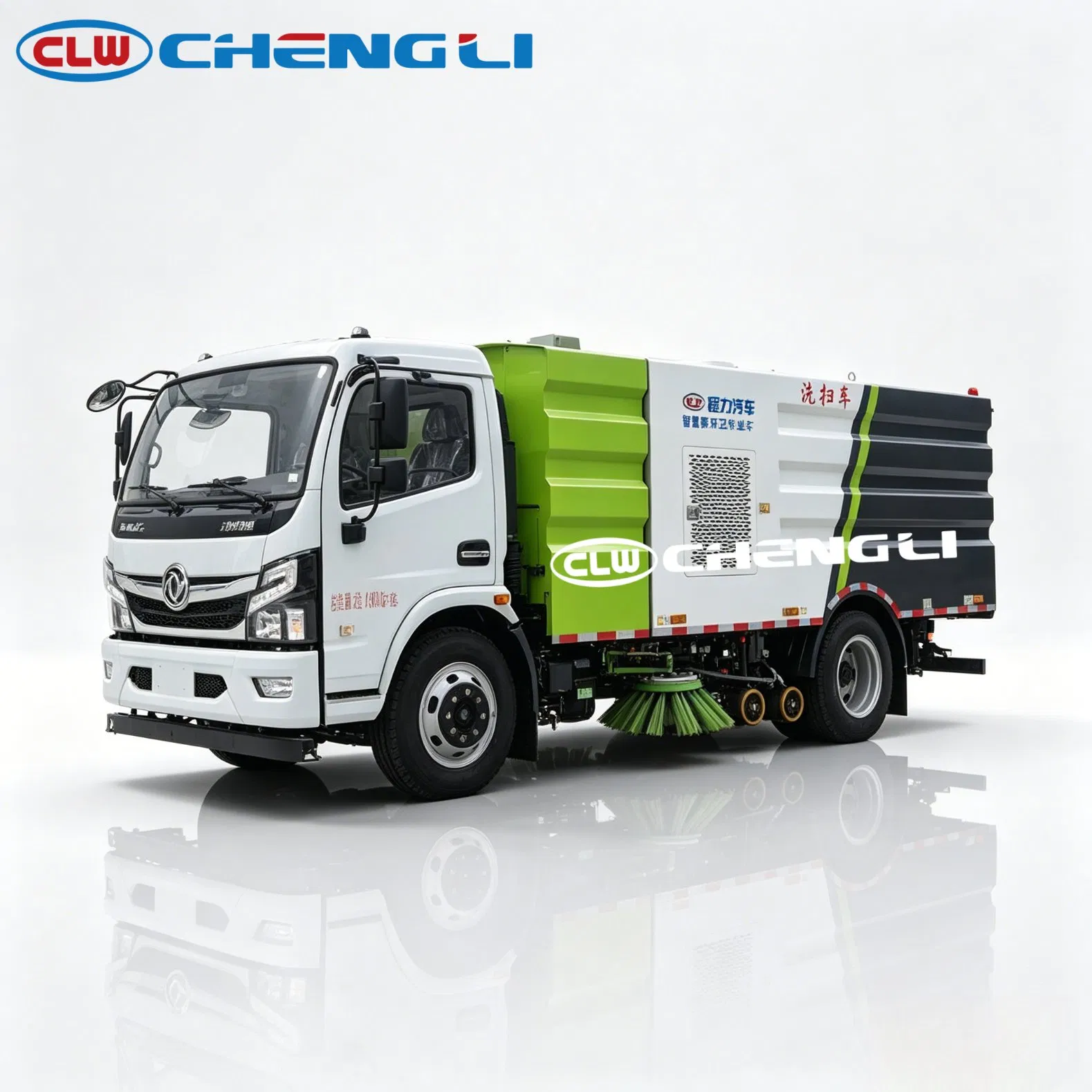
Battery capacity, stated in kWh, is the amount of electrical energy the pack can store under its rating. It is not a promise of distance on every route. The listed 110 kWh battery and 300 km range of the Dongfeng electric road sweeper provide a starting point for route planning. Its 3.5 m sweeping width, 4 m³ dust bin and 5 m³ water tank also show why an equipment-on trial matters: driving, suction and water-system use are not the same test.
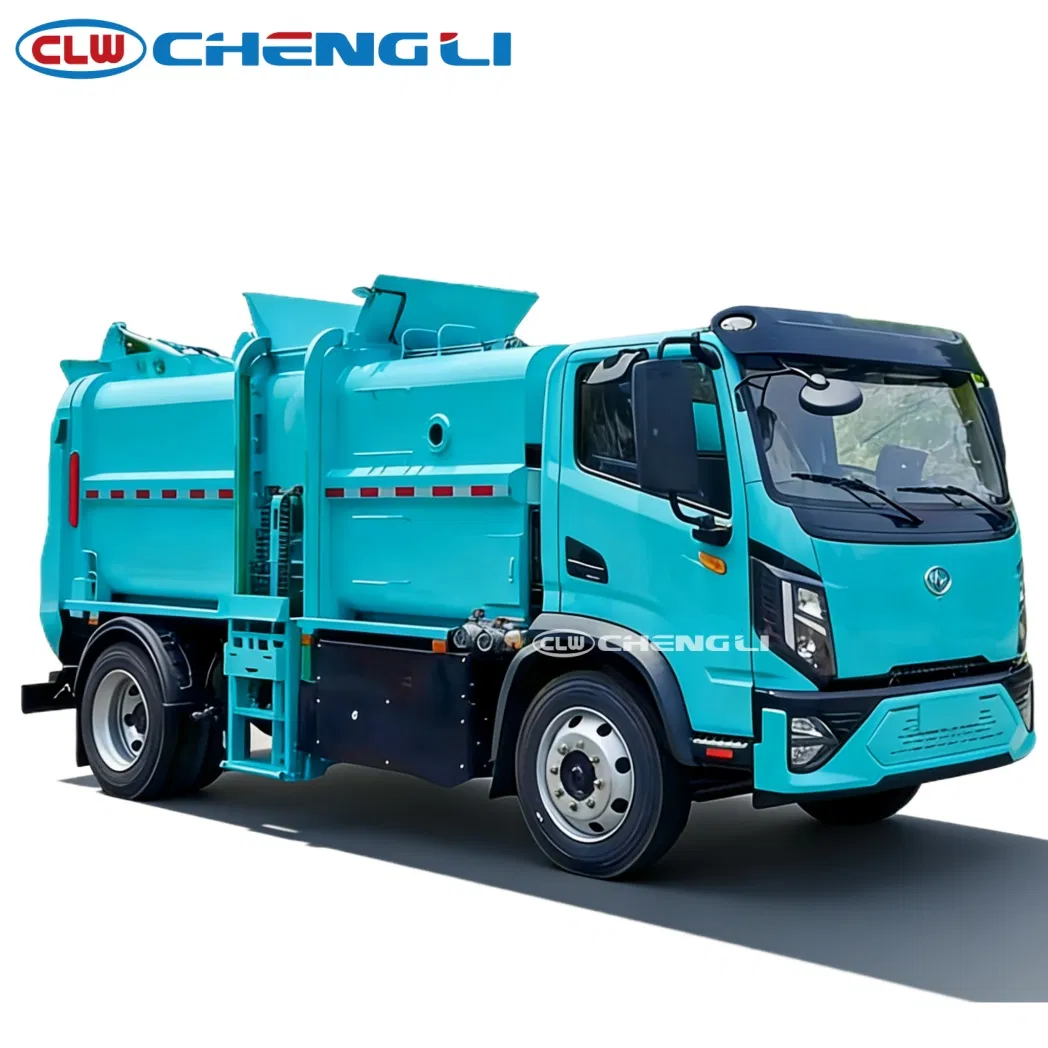
The CLW electric kitchen waste truck has a 142.19 kWh battery, an 8.5 m³ tank and a listed 270 km range. That stated distance uses a test cycle that is not specified here. Do not convert it directly into collection hours or an assured route length. The operating margin changes with stop frequency, grade, ambient temperature, traffic, auxiliary load and the weight of collected material. Its stated 4,510 kg payload remains a separate limit from the body volume.
For a daily plan, record departure state of charge, distance between stops, equipment operating time, return reserve and any midday charging. Run a trial with a representative route and compare the state of charge at the end of several shifts. Leave a reserve for detours and unexpected work. If the vehicle misses that reserve with normal payload and body use, the route or charging plan needs adjustment.
What changes when the electric truck works slowly or while parked?
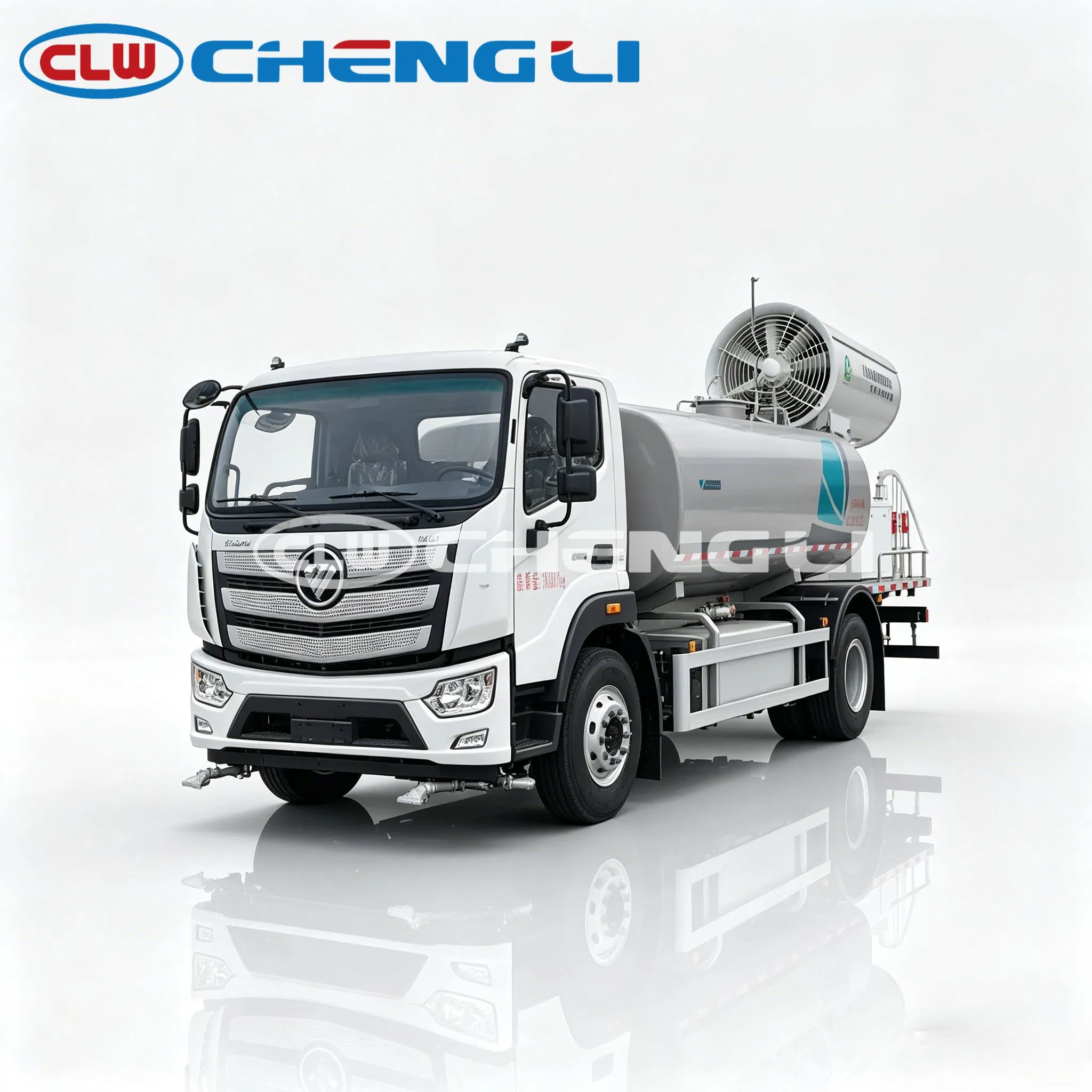
A road sweeper draws power for brushes, fans, water spray and vehicle motion at the same time. A water truck can use a pump or spray equipment as it crawls through a work area. The Foton electric dust suppression truck lists a 200 kWh battery, a 340 km stated range and a 13 m³ physical tank. Those figures describe different limits. Confirm the permitted water mass under the final vehicle configuration before treating the physical tank volume as a fill target; 1,000 L of water weighs about 1,000 kg.
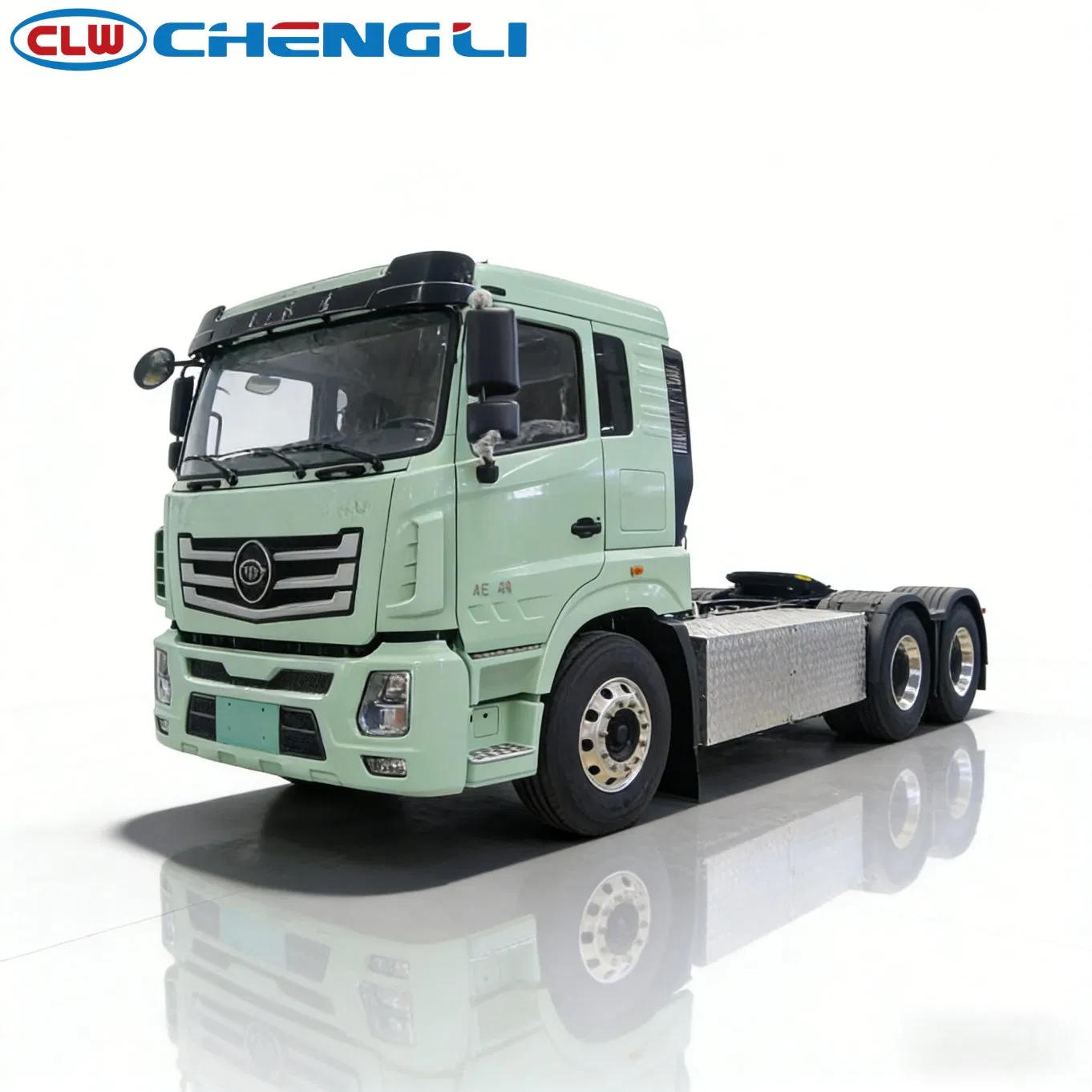
Terminal tractors have a different profile: repeated acceleration, trailer coupling and low-speed hauling can dominate the shift. The CLW 6x4 electric port tractor has a 400.61 kWh battery and 840 kW peak power. Peak power is an acceleration capability, not a statement that the truck can sustain that output all day or that it can pull any trailer combination. Match trailer mass, coupling requirements and charging windows to the terminal schedule.
For procurement, separate traction energy from energy used by the upper body. Ask for metered results with the same work cycle your fleet runs. A free-running road test can be useful for comparing chassis, but it cannot by itself establish a refuse collection or sweeping shift.
How can a depot build a workable charging plan?
Map the vehicles that return at the same time, the hours available for charging and the electrical capacity of the depot. Charging power in kW is a rate; battery size in kWh is stored energy. As a rough ideal calculation, replacing 100 kWh at 50 kW takes two hours. Actual charging takes longer because of losses, battery temperature, power taper and the usable state-of-charge window. Use the charger and vehicle maker's charging curves for a real schedule.
Plan for queueing as well as plug count. Two vehicles that need the same charger during the only overnight window cannot both use its full rated power at once. Stagger returns, assign chargers to routes and provide room for a vehicle that arrives late. Check connector compatibility, site voltage, installation capacity, access for large bodies and protection from reversing or washdown activity. A public charger can be a contingency, but its access and working hours must be verified before it enters the operating plan.
A mixed electric and diesel fleet can be sensible where some routes are fixed and others involve long or unpredictable travel. Review municipal sanitation operations as a group: collection, road cleaning and water work compete for the same depot space and staff. Charging can be phased around the routes with the most consistent return times first.
Which vehicle and duty should be tested first?
| Vehicle | Published configuration | Best first trial question |
|---|---|---|
| Electric road sweeper | 110 kWh battery; 4 m³ dust bin; 5 m³ water tank | How much energy does a full sweeping shift use with brushes and suction on? |
| Electric kitchen waste truck | 142.19 kWh battery; 8.5 m³ tank; 4,510 kg stated payload | Can it finish the heaviest collection route with a return reserve? |
| Electric dust suppression truck | 200 kWh battery; 13 m³ physical tank | What permitted fill mass and pump duty fit the actual road route? |
| Electric port tractor | 400.61 kWh battery; 6x4 drive | How many loaded terminal cycles fit between charging windows? |
Pick a route that is representative rather than exceptionally short or light. Record a normal day, a heavier day and a day with traffic or weather conditions that affect energy use. Compare the trial against the existing vehicle's completed work, not only its kilometers. A truck that travels less distance but completes all assigned work with less downtime can be the better operational fit.
What should buyers specify before ordering?
- Route map, daily distance, stop count, grade and expected return time.
- Body operating hours and the functions used during each shift.
- Required payload, material density and any tank fill restriction.
- Battery size, usable state-of-charge range and charging curve for the proposed configuration.
- Depot voltage, available power, charger count and connector type.
- Local service access for the chassis, battery and upper body.
- A trial method that records work completed and return state of charge.
Put these conditions in the specification sent to suppliers. Request a complete-vehicle proposal with the working body, installed battery, tire choice and axle loads stated together. Where a tank or container is involved, require the permissible loaded mass to be checked separately from its geometric volume. This reduces the chance of selecting a nominally capable vehicle that cannot carry the expected load on the intended roads.
FAQ
Does a larger battery always give a longer working shift?
No. A larger pack stores more energy, but the vehicle may also weigh more and the body may consume more power. Compare the same route, payload and equipment cycle, then check the reserve at the end of the shift. Charging access and permitted axle loads can matter as much as the pack rating.
Can a published range figure be used as a procurement guarantee?
Treat it as a reference figure until the test conditions are known. Stop-start travel, hills, weather, water pumping, sweeping and collection lifts change energy use. Ask for a trial or duty-cycle estimate that includes the upper body and normal load. Write the required completed work and return reserve into the acceptance criteria.
How many chargers does a small fleet need?
Count simultaneous charging windows and energy to replace, rather than assigning one charger per truck by default. Build a timetable for actual arrival and departure times. Confirm that the depot electrical supply can deliver the combined load and that a missed charging slot will not cancel the next day's essential route.
Is an electric water truck's full tank volume its legal payload?
No. Tank volume is a physical capacity; allowable water load depends on the completed vehicle's rated mass, curb mass, occupants and axle limits. Because water weighs about 1 kg per liter, the difference can be material. Confirm the permitted fill level for the final chassis and equipment configuration before writing a route plan.
Which route should be electrified first?
A route that returns to the same depot, has measurable daily work and leaves time to recharge is a practical first candidate. It should be representative enough to prove the application. Record the heaviest routine load and longest normal shift, then keep a plan for exceptional jobs while the fleet learns its energy profile.
Choose the body and payload needed for the job, measure energy on the real route and size charging around the fleet's return pattern. If you can share your duty cycle, payload and depot power, contact the CLW team to discuss a suitable electric configuration.