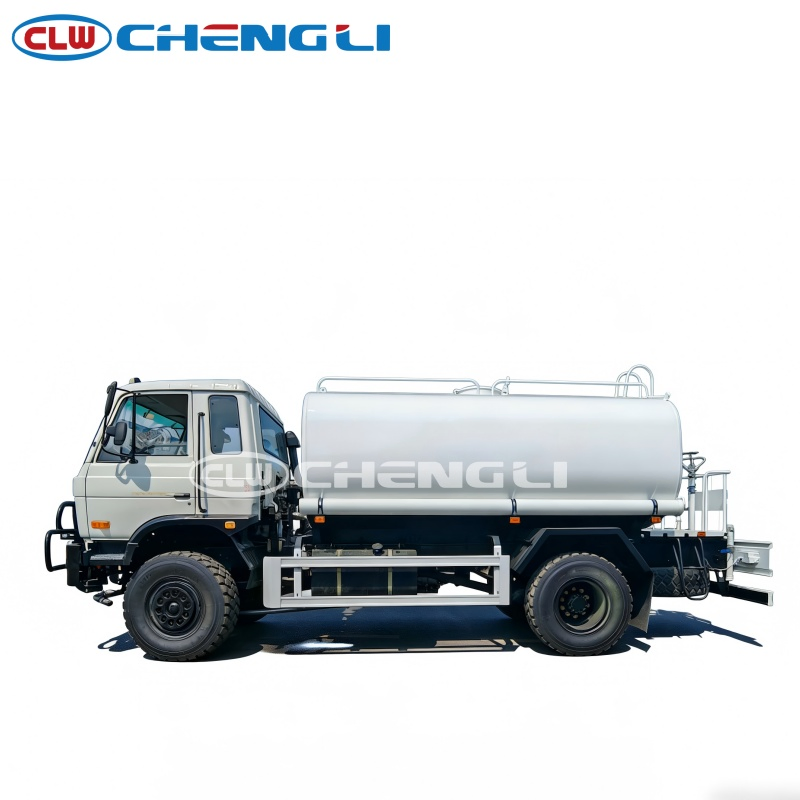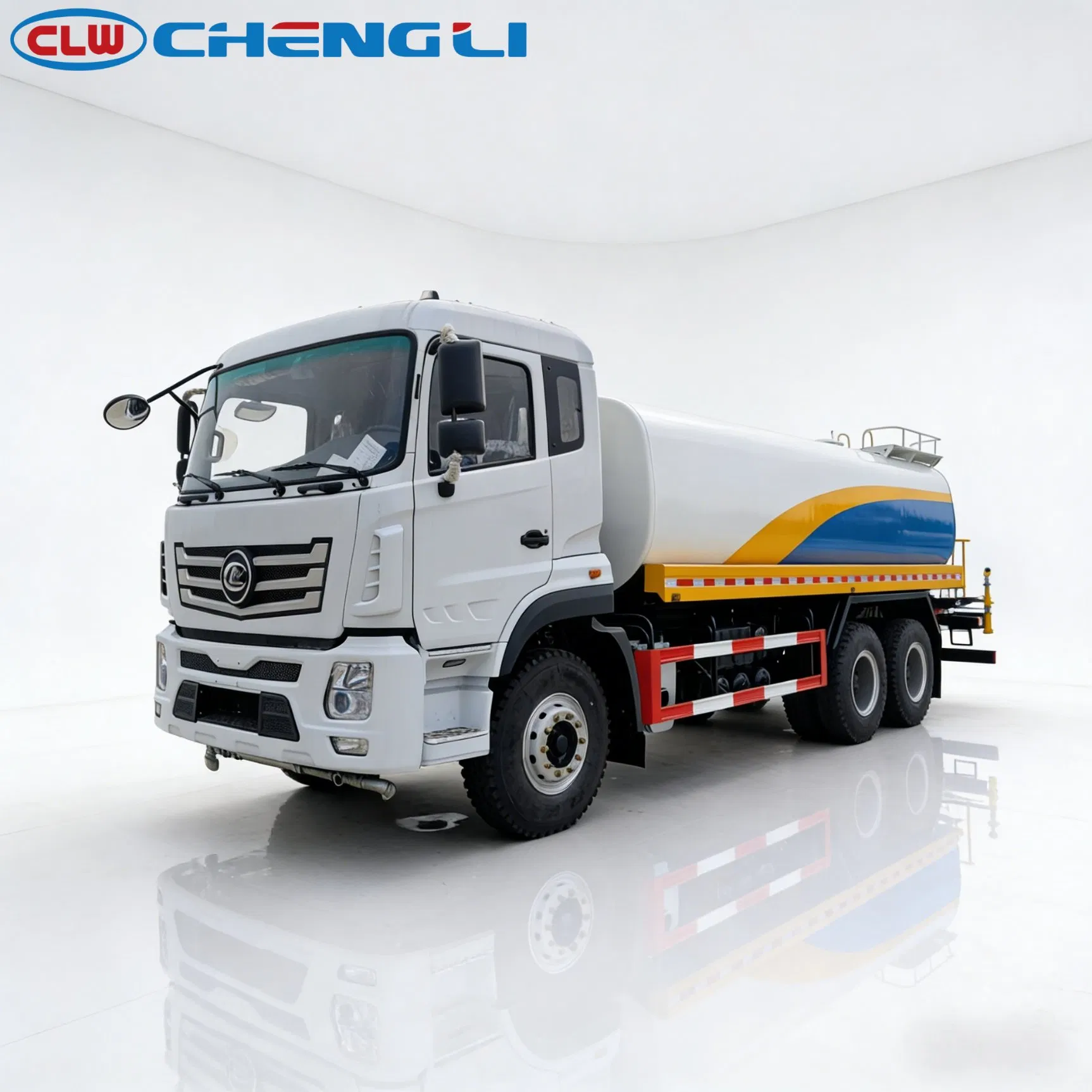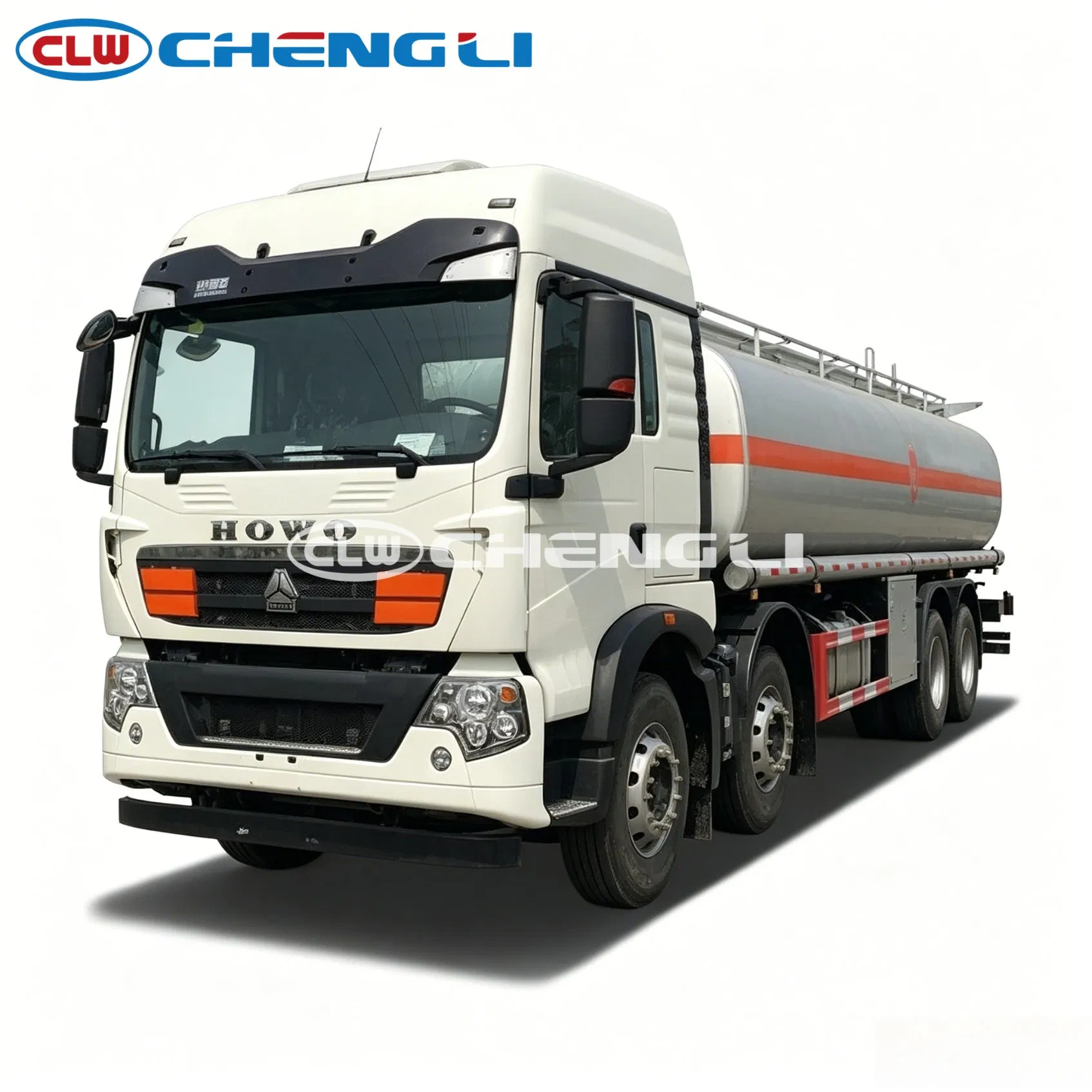
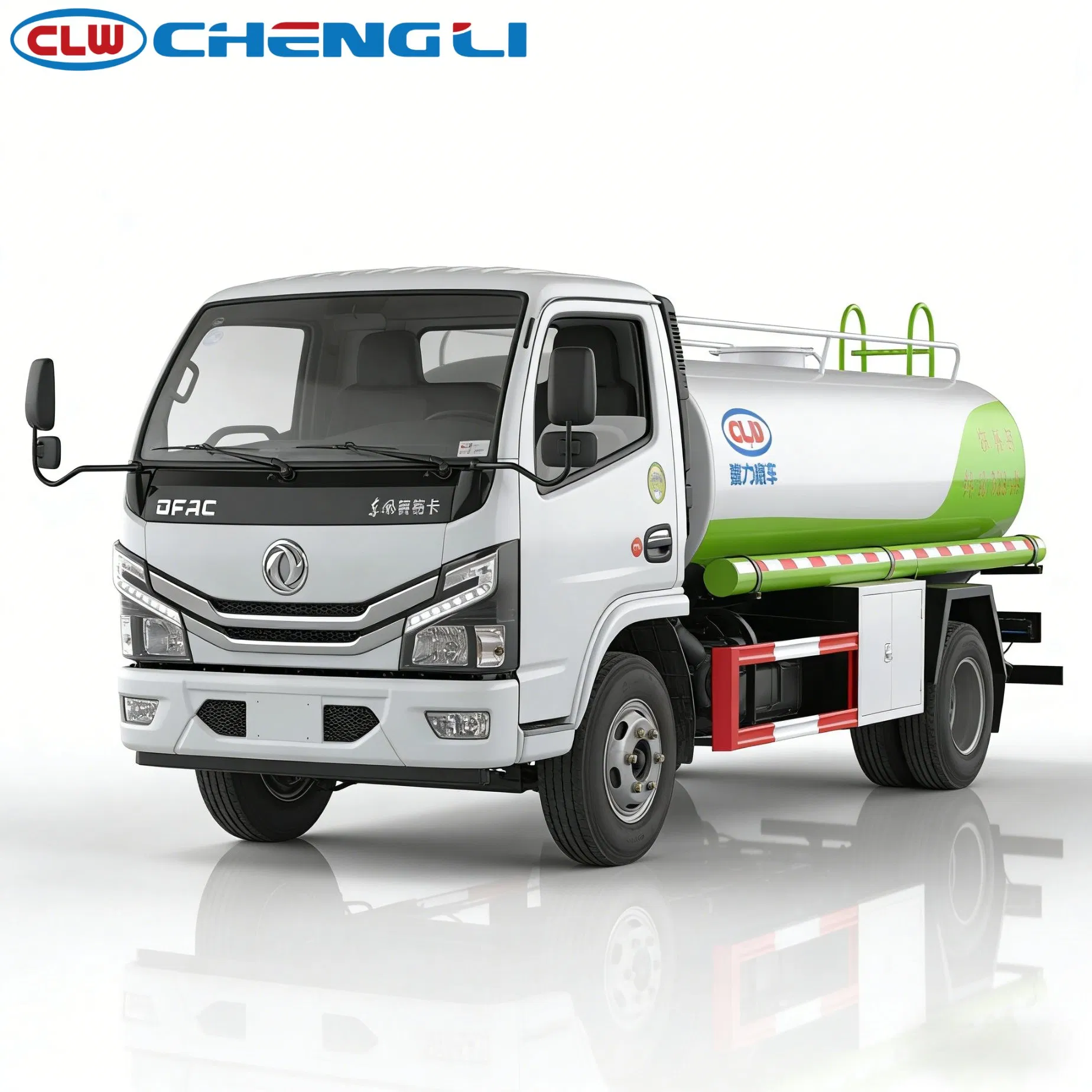
A 4x2 truck has two axle positions and one driven axle; 4x4 drives both axles; 6x4 has three axle positions with two driven; and 8x4 has four axle positions with two driven. These codes describe wheel positions and driven wheel positions, not payload, engine output or permission to use a road. Select the arrangement from traction, axle loading, turning space and the weight of the completed truck.
What do the first and second numbers mean?
The first number counts wheel positions, treating dual tires at one end of an axle as one position. The second counts positions driven by the powertrain. A conventional 4x2 has a front steering axle and a driven rear axle. A 4x4 drives both axles. A 6x4 normally has one front steering axle and two driven rear axles. An 8x4 normally has two front steering axles and a tandem driven rear group. Final axle layouts can vary, so inspect the chassis drawing rather than relying on the shorthand alone.
More driven positions can improve traction on loose ground. More axles can distribute vehicle weight. Neither change creates unlimited payload. The approved gross vehicle weight, each axle rating, the mass of the tank or body, and local road rules still determine what can be carried. For a specialized body, ask for these figures after the equipment is mounted, with fuel, crew and normal tools included.
| Drive code | Typical axle layout | Main selection reason | Published vehicle example |
|---|---|---|---|
| 4x2 | Two axles, one driven | Compact paved-road delivery | Dongfeng 5,000 L potable water tanker; 11,990 kg GVW |
| 4x4 | Two axles, both driven | Traction on damaged or unpaved access roads | Dongfeng 8,000 L emergency water tanker; 14,000 kg GVW |
| 6x4 | Three axles, two driven | Higher-capacity heavy-duty work | Dongfeng 20,000 L water tanker; 25,000 kg GVW |
| 8x4 | Four axles, two driven | Distributing a heavy body and load over four axles | HOWO 23,900 L nominal petrol tanker; 32,000 kg GVW |
When is a 4x2 special truck sufficient?
Choose 4x2 when the vehicle works mainly on firm roads, a two-axle chassis can carry the completed body and load, and compact access matters. The Dongfeng 5,000 L potable water tanker is a clear example: it combines a 4x2 chassis, 3,800 mm wheelbase and 11,990 kg gross vehicle weight for smaller delivery rounds. Its tank is 304 stainless steel, but its tank volume alone does not establish an approved payload.
A shorter wheelbase can help around narrow streets, loading yards and village turns, but it can also limit body length and weight distribution. The actual turning circle depends on steering geometry, wheelbase, tires and body overhang, so do not compare trucks by drive code alone. A 4x2 fire truck, sweeper or box truck can have very different overall dimensions despite sharing the same drive designation.
For tank vehicles, water weighs about 1 kg/L. A 5,000 L water tank therefore represents about 5,000 kg of water when filled to that volume, before tank equipment, crew and any additional load allowances. Compare the approved rated payload and axle loads to the planned fill. If the tank capacity and the payload cannot both be used at once, specify the permitted working fill on the quotation and operating instructions.
What does 4x4 add on rough access roads?
With both axles driven, a 4x4 can keep moving where a rear-driven truck loses traction on mud, gravel or damaged pavement. The Dongfeng 4x4 emergency water tanker has an 8,000 L stainless tank, a 3,950 mm wheelbase and a 14,000 kg gross vehicle weight. Its stated work includes remote supply and damaged-road response. Those details make traction relevant to the buying decision.
Four-wheel drive does not automatically make a tanker suitable for deep mud or steep slopes when loaded. Tires, ground clearance, approach and departure angles, differential equipment, axle loads and the surface under the wheels all matter. An 8,000 L water load can weigh about 8,000 kg. That mass changes braking distance and the pressure each tire places on soft ground. Before ordering, describe the worst route the truck must enter while carrying its normal working load.
The drivetrain can also add mass and mechanical complexity compared with a comparable 4x2. If all deliveries are on paved roads, that additional equipment may bring little operational benefit. For mixed routes, ask the supplier to compare a 4x2 and 4x4 build at the same actual payload and body specification instead of comparing their tank labels alone.
Why choose a 6x4 for a larger body?
A 6x4 provides three axle positions and drives the two rear axles. It is often considered when a two-axle truck cannot accommodate the required completed vehicle weight or rear axle loading. The Dongfeng 6x4 stainless water tanker has a 20,000 L tank, 25,000 kg GVW and a 4,530 + 1,350 mm wheelbase arrangement. Its overall length is 10,275 mm, which is an important access figure as well as a capacity figure.
Twenty thousand liters of water weigh about 20,000 kg. The tank body, chassis, pump, fuel and people also weigh something, so the nominal tank volume must never be treated as a guarantee that the vehicle can legally travel with every liter on board. Request the finished curb mass, approved payload and front and rear axle readings for the configured truck. Use the lower of the mass, axle and tank limits to set the working fill.
A tandem rear drive group can help distribute drive effort on work sites, yet a large 6x4 still needs space to turn and room for its tail swing. A water tanker entering a construction camp or roadside filling point may face a narrow gate, weight-limited bridge or sharp crest. Supply those dimensions to the body builder. A route survey can be more valuable than selecting the largest advertised tank.
When does an 8x4 make sense?
An 8x4 uses four axle positions with two driven positions. It can support a heavier body or a different weight distribution than a smaller chassis, subject to the approved axle group ratings. The HOWO 8x4 petrol tanker in our range has a 23,900 L nominal tank, 32,000 kg GVW and 18,965 kg rated payload. The last two figures show why a buyer must calculate liquid mass before assuming the tank can be filled to its rim.
Fuel density changes the calculation. At 0.79 kg/L, 23,900 L of liquid would weigh about 18,881 kg before other allowances, close to that tanker’s rated payload. At 0.84 kg/L, the same volume would weigh about 20,076 kg, over the stated payload. The appropriate fill also depends on the exact approved cargo, compartment calibration and expansion space. These are worked examples, not permissions to load a hazardous cargo.
Four axles do not necessarily mean better off-road traction than a 4x4. An 8x4 may still drive only its rear pair, and its length can make it harder to place on a tight site. If off-road access is the main challenge, specify grade, soil, tires and loaded axle weights; if mass distribution is the main challenge, specify the actual loaded axle calculation.
How should buyers compare chassis beyond the drive code?
Put the finished vehicle into the comparison, not just a bare chassis. A crane truck adds a crane, outriggers and a deck; a sweeper adds water, hopper and auxiliary cleaning equipment; a tanker adds a vessel, pump and pipework. Each combination changes center of gravity and the load on each axle. Ask for a body drawing that gives wheelbases, overhangs, overall height and the mass of every major component.
Power and gearing matter because a loaded truck may climb, stop and restart on grades. A large engine number by itself says little about low-speed control, cooling or the transmission match. Service planning matters as well: identify which tire size, brake components and drivetrain parts can be supported in the destination market. The roads and utilities applications page offers examples of jobs where access and duty cycle influence the chassis choice.
For additional vehicle families, use the product categories to compare trucks doing the same job. This avoids judging a 4x2 delivery truck against an 8x4 heavy tanker as though drive code were their only difference. Compare equivalent body duty, loaded mass and route conditions first.
What should you confirm before ordering?
- Record the heaviest normal load and its density, including water, fuel, waste or carried equipment.
- Request GVW, finished curb mass, rated payload and axle ratings for the exact body and chassis combination.
- List the narrowest gate, smallest turning space, lowest overhead clearance and weakest bridge on the route.
- Describe wet-season surfaces, gradients and whether traction is required while the truck is fully loaded.
- Confirm wheelbase, body overhang, tire size and the chosen transmission on the build drawing.
- For tanks, specify nominal volume separately from the approved working fill for each cargo.
- Check destination-market registration and emissions requirements against the final chassis variant.
FAQ
Does 6x4 mean six axles?
No. In this notation the first figure counts wheel positions, not axles. A conventional 6x4 truck has three axles: one front axle and two rear axles. Four rear wheel positions are driven. Because tire arrangements vary, confirm the axle diagram if a specification uses an unfamiliar layout.
Is an 8x4 always allowed to carry more than a 6x4?
No. The additional axle can distribute mass, but allowable total weight is set by the approved vehicle rating and local road law. Body weight and wheelbase also change the usable payload. Compare the actual finished ratings, not the axle count or tank size in a headline.
Will a 4x4 carry the same load as a 4x2?
That depends on the specific chassis and body. Four-wheel-drive components can add weight, while axle and tire ratings may differ. Compare the finished curb mass and approved payload for two otherwise comparable configurations. An 8,000 L tank on a 4x4 is a vessel size, not proof of an 8,000 kg legal water load.
Does a larger engine replace the need for more driven axles?
No. Engine output helps deliver power, while driven axles and tires determine how that power reaches the road. On low-grip ground, extra output can spin a tire without improving movement. Select engine, gearing, traction and legal loaded mass together for the route.
What information should a buyer send to compare 4x2 and 6x4 offers?
Send the intended body, cargo density, working load, daily distance, road surface, grades and site dimensions. Ask each supplier for finished vehicle weights, axle loads, overall dimensions and working capacity. Those comparable figures reveal the real difference between two offers more clearly than drive code alone.
Choose the smallest axle and drive layout that safely carries the completed body and your normal load over the actual route. Send us the cargo, route limits and destination market through our contact page so the chassis and body can be specified together.