Buying a special-purpose truck from China starts with a written duty specification, not a catalog picture. Confirm the chassis and working body, agree what the completed vehicle must be able to do, inspect it against an approved drawing, and arrange shipment with the documents your importer needs. Each step should leave a record that the buyer and builder can compare.
What information should you send before requesting a configuration?
Describe the job first: what material, equipment or passengers the truck will carry; how it will load and unload; and the road, site and climate conditions. Then state the destination market, desired steering position and any limits on overall length, height, axle load or turning space. This gives the manufacturer a useful starting point for selecting a chassis and body.
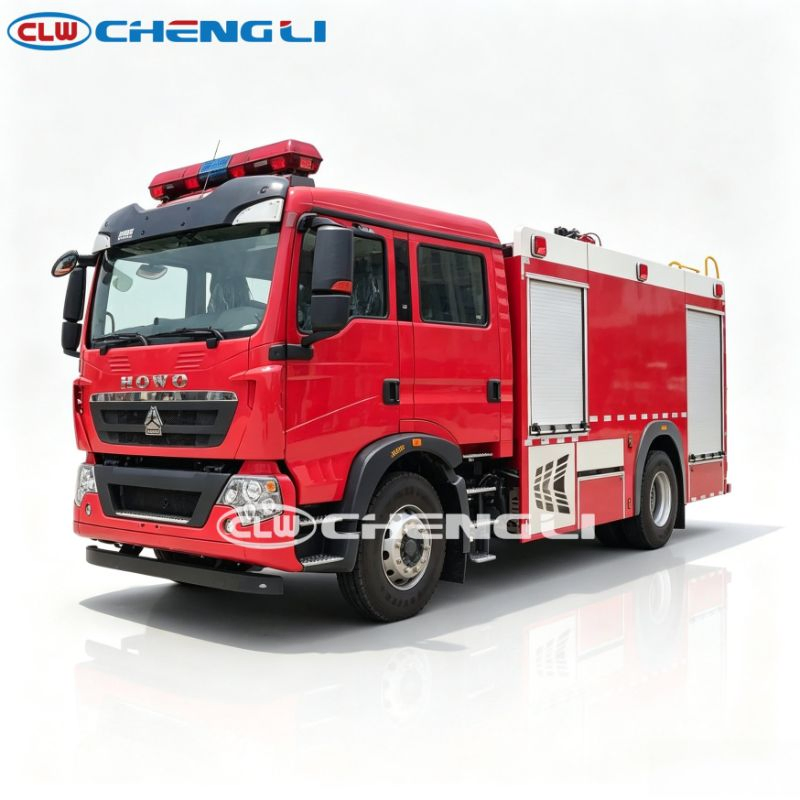
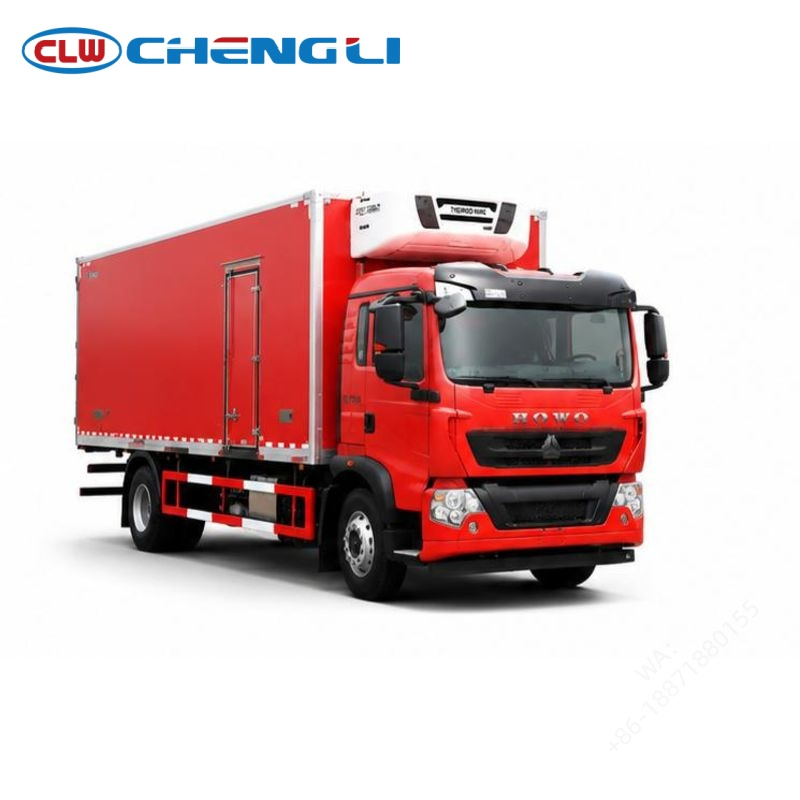
For a collection truck, specify the container type, loading height, route length and disposal method. For a fire truck, describe the water supply, crew, pump duty and access roads. For a refrigerated truck, give the cargo temperature, loading pattern and door openings. A request that says only “medium truck” does not resolve body capacity, payload or equipment fit.
Include your required language for labels and manuals and identify who will handle local registration. The importer should tell you what documents and markings the destination market requires. Avoid assuming that a vehicle accepted in one market will meet another market's rules. If the requirement is uncertain, mark it as a question before placing an order.
How do you compare chassis and body proposals?
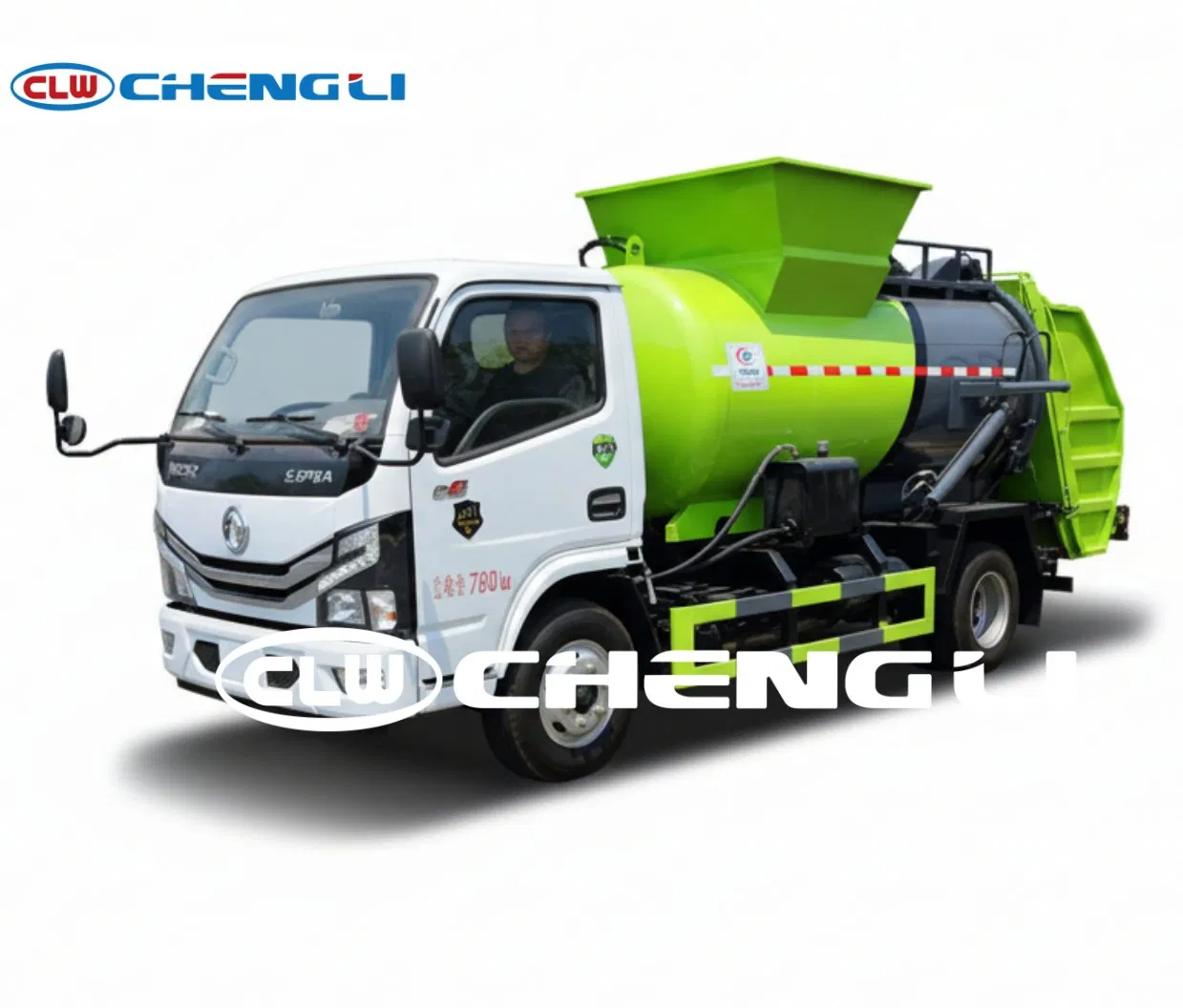
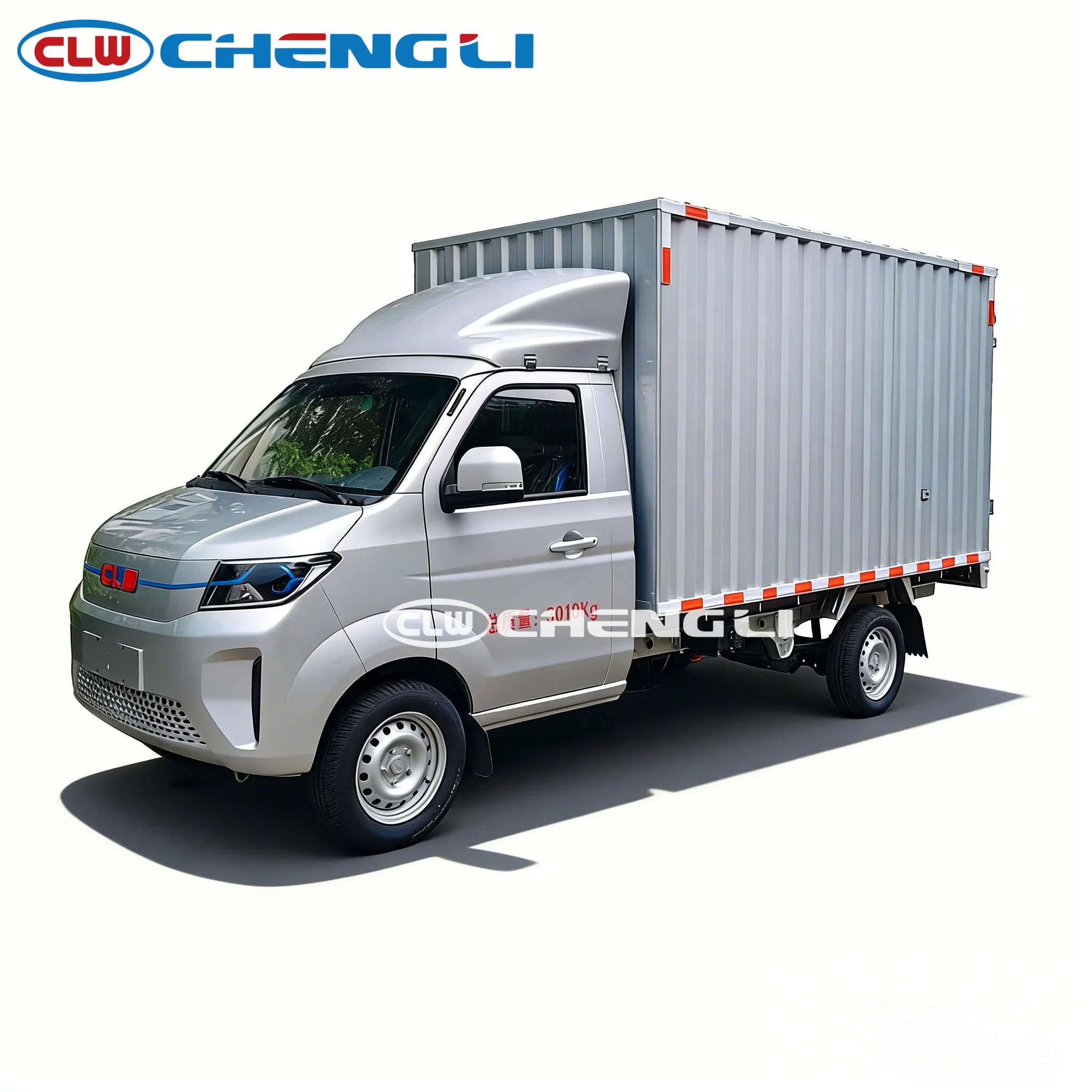
Compare the proposed vehicles line by line. Record the chassis model, wheelbase, drive type, engine or motor, gross vehicle weight, rated payload and steering position. Then record the body dimensions, vessel or box capacity, hydraulic and electrical equipment, and operating controls. Product pages show how different the combinations can be: the CLW electric box truck states a 3,010 kg gross vehicle weight and 1,130 kg payload, while the Dongfeng kitchen-waste truck combines a 5 m³ body with a 2,880 kg rated payload. Body volume and legal payload are separate figures.
Ask for a mass breakdown if a tank, hopper or box has a large nominal volume. A vessel's geometric volume does not establish how much material the completed vehicle can legally carry. The load calculation should account for the actual chassis, body, fuel or battery, equipment and crew. Where the material density varies, request an operating fill level appropriate to the rated payload.
| Document | Buyer checks | Why it matters |
|---|---|---|
| Technical schedule | Chassis, drive, steering, mass, body and equipment | Defines the ordered configuration |
| General arrangement drawing | Overall size and control locations | Shows access and site fit |
| Product test or inspection plan | Functions and acceptance points | Makes inspection objective |
| Shipping plan | Vehicle dimensions, securing and transport mode | Supports carrier booking |
| Document list | Importer and destination requirements | Supports clearance and registration |
Resolve any conflict between the quotation, drawing and technical schedule before manufacturing. For example, one document may show a 4x2 chassis and another a 4x4 chassis, or the body volume may differ between a sales sheet and a drawing. Ask the supplier to issue one approved revision and use that revision for the inspection checklist.
What should the build and inspection milestones cover?
Agree which items can be checked while the body is built and which require the completed truck. Chassis identity, mounting structure and major components can be recorded early. Controls, lights, seals and hydraulic functions need a completed installation. A buyer may appoint an independent inspector, but the inspection scope should still be tied to the approved specification.
At final inspection, identify the actual vehicle by its chassis plate and compare the body with the drawing. Run the work functions that matter to the duty: a pump, lifter, tailgate, refrigeration unit or lifting mechanism as applicable. Check for leaks, secure mounting, access to maintenance points and readable labels. Our factory quality page gives context for discussing these checks; the purchase specification should state the exact acceptance points for your order.
Photographs are useful evidence, but a photo set should show the full vehicle, plate, equipment identification, cab and each important operating station. A generic product image cannot confirm the configuration of the vehicle that will be shipped. Record any deviation, decide whether it is acceptable, and update the final specification before release.
How do you choose a shipping method?
Roll-on/roll-off (RoRo) shipping is designed for vehicles that can drive onto and off a vessel under their own power, subject to the carrier's acceptance rules. A flat rack can accommodate a vehicle or body whose dimensions or handling needs call for a container-based shipment; it requires a suitable lifting and securing plan. The choice depends on the vehicle's dimensions, condition, port facilities, route and carrier availability.
Ask the forwarder to check the vehicle's measured overall dimensions and shipping weight, including accessories that remain fitted. Confirm whether loose tools, hoses or spare parts travel with the truck or separately and how they will be packed and declared. A high body, long rear overhang or attached equipment may affect what the carrier accepts. The export pack should record the vehicle identity and the cargo being handed over.
Commercial invoice, packing list, transport document such as a bill of lading, and origin documents are common examples of shipment paperwork. The exact set depends on the destination and transaction. Confirm it with your customs broker or importer before the vehicle is dispatched. The supplier and buyer should also agree who checks each document for matching names, model identifiers and vehicle numbers.
What should be confirmed before ordering?
- Define the duty, carried material, route, work cycle and destination market.
- Record the exact chassis model, steering position, drive type and mass ratings.
- Approve body dimensions, working capacity and an operating payload calculation.
- Mark controls, steps, doors and service points on a general arrangement drawing.
- Agree functional inspection points and the evidence to be retained.
- Ask the forwarder to assess shipping dimensions and the proposed transport mode.
- Obtain the importer's required document and registration checklist.
- Keep one approved revision of the specification for final inspection.
Use the special vehicle range to identify body types and then ask for a build-specific technical schedule. Our service and support page can help frame questions about manuals, parts and post-delivery contact. Treat every option on a product page as something to confirm for the chosen chassis and market.
FAQ
Is a catalog product page enough to place an order?
No. It is a useful starting point for choosing a body type and approximate size, but the order needs a specific chassis, body, equipment list, steering position and agreed drawings. Options and local requirements can change the finished configuration. Use the approved technical schedule as the reference for production and inspection.
When should an importer review the vehicle specification?
Involve the importer before finalizing the order. They can identify registration, documentation and transport questions that affect the chassis or body. If a requirement changes after the vehicle is completed, correcting it can be difficult. Ask them to review the exact vehicle type rather than a generic description.
What is the difference between a body volume and rated payload?
Body volume measures internal space, while rated payload is the allowed mass available for cargo under the vehicle's approved weight rating. A full tank or hopper may weigh more than the vehicle can carry. Check the material density, body mass, crew and operating equipment before deciding how much the vehicle can load.
Do all special trucks ship by RoRo?
No. RoRo and flat rack shipments suit different vehicle dimensions, handling methods and routes. A shipping company must accept the actual vehicle and loading plan. Give the forwarder measured dimensions, weight and operating condition so they can evaluate the available method for the intended ports.
Which documents should accompany a truck?
Common trade documents include a commercial invoice, packing list and transport document. The importer may also need origin or vehicle-specific documents. The exact requirements vary by destination and transaction, so ask the importer and customs broker for a written list and check vehicle identifiers across the final documents.
A clear specification, agreed inspection plan and confirmed shipping documents make a special truck order easier to verify. Send your duty requirements, destination and preferred vehicle type through our truck configuration inquiry, and we can discuss a proposed build.