
A pre-shipment inspection should compare the completed special-purpose truck with its approved technical schedule, not with a generic catalog photo. Identify the chassis, measure the body, operate the installed equipment, check for leaks and damage, and verify the document pack. Record each result with a photo or test note before the vehicle is released to the carrier.
What should be ready before inspection begins?
Ask for the signed specification, latest general arrangement drawing, equipment list and any approved changes. The inspector needs the exact vehicle identification and the acceptance criteria for the particular order. A statement such as “standard model” is too vague if the buyer has requested a different steering position, pump, bin interface, insulation package or control layout.
Set a safe inspection area with enough room to raise a body, extend a boom or operate a lifter where applicable. Confirm that the people operating the equipment understand its controls and exclusion zones. Some checks need water, waste-free test containers or another suitable test medium; agree the test conditions before the inspector arrives. A visual check cannot establish whether the working equipment functions correctly.
Use a checklist that separates observations from acceptance decisions. Record the measured value, expected value, test condition and result. If a test cannot be completed, state why and who will close it. Photographs should show the actual vehicle identification and the item being inspected. Do not substitute photographs of a similar truck.
How do you verify the chassis and cab?
Compare the chassis identification plate and visible model information with the order. Check the steering position, drive type, wheelbase, tires, spare wheel location, cab seating and installed warning equipment. Look for transport damage, loose fasteners, fluid leaks and signs that hoses or cables rub against moving parts. The measured overall length, width and height should match the accepted drawing within the agreed tolerance.
Start the vehicle and observe its instruments and warning indicators. Check lighting, wipers, horn, mirrors and cameras where fitted. Inspect the cab for the agreed seat and belt layout and for legible control labels. If the destination requires specific lighting or markings, compare them with the buyer's written schedule and ask the importer to verify local requirements. The inspection does not itself establish registration approval.
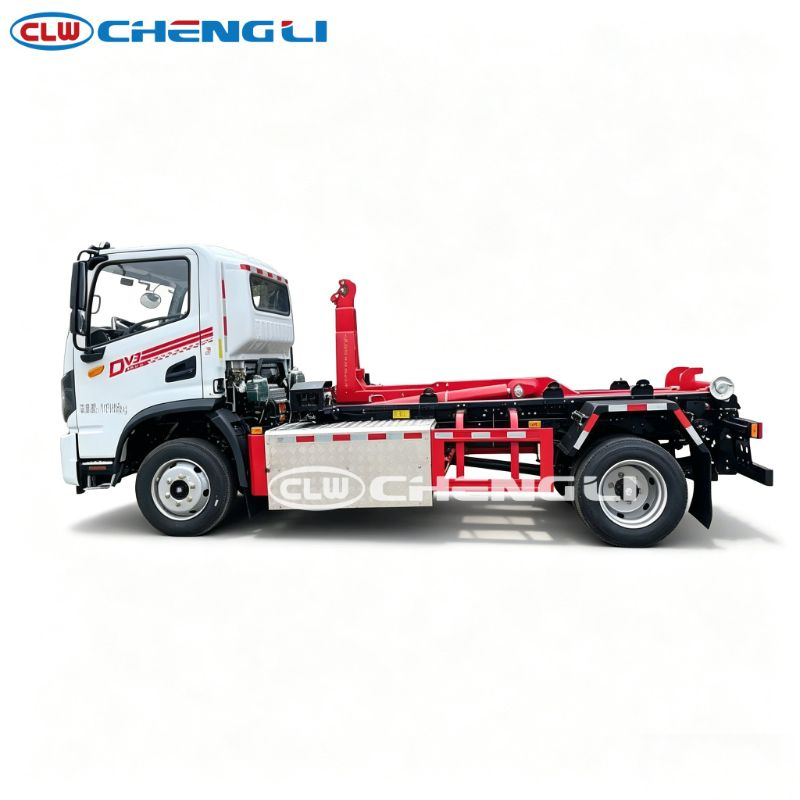
Mass data deserves a separate check. Body volume does not prove usable payload. For example, the CLH5120 electric hook-lift truck has 8–12 m³ container options and a stated 5,800–5,865 kg rated payload that includes container mass. The selected container's own weight therefore reduces the material that can be carried. Verify the configuration and mass figures for the actual vehicle.
How should the working body be inspected?
Walk around the upper structure and compare tanks, boxes, compartments, doors, hatches, steps and handrails with the approved drawing. Check welds and coatings for visible defects, secure attachment to the chassis, accessible drainage points, and the fit of lids and seals. Where a tank has baffles, partitions or internal fittings, request evidence of the agreed construction that can be inspected safely.
Inspect the operating side as carefully as the body itself. The driver and ground operator must be able to see the relevant working area. Check the location of control panels, emergency stops, hose reels and service access. If the vehicle is intended for curbside work, note whether the operator has to stand in a traffic lane to use a control. A drawing may look correct while the finished access path is awkward.
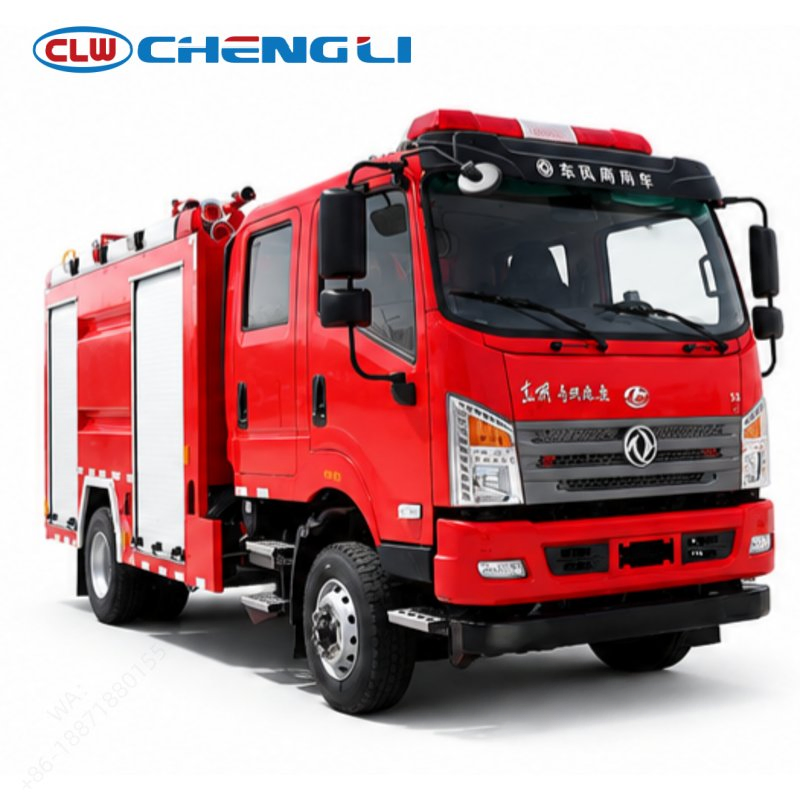
A fire truck such as the Dongfeng 4x4 model with a 4,000 L water tank needs body-specific checks for tank connections, pump access, hose storage and discharge controls. A hook-lift vehicle needs checks of the subframe, locking points, container interface and tipping movement. Inspection points should follow the actual equipment ordered rather than a universal checklist alone.
| Inspection group | Physical check | Evidence to record |
|---|---|---|
| Chassis and cab | Identity, steering, drive, tires, lights | Plate photos and functional notes |
| Body structure | Dimensions, mounts, doors and seals | Measurement sheet and images |
| Hydraulics and pumps | Movement, pressure behavior and leaks | Test conditions and result |
| Electrical system | Controls, lamps, interlocks and batteries | Operating checklist |
| Documents | Vehicle identifiers and agreed document list | Checked copies or file names |
What functional tests are worth witnessing?
Cycle each operating function under safe, agreed conditions. A compactor or hook lift should move through its normal sequence and return to its travel position. A water pump should start, deliver through the intended outlets and stop correctly. A refrigerated body should run its unit and display temperature, while a lifting vehicle should show smooth operation and working interlocks. Test results should state whether the body was unloaded or carrying a test load.
Observe hoses, fittings and cylinders while the system is operating. Inspect for leaks after the test, not only before it. Check that moving parts clear body panels, tires and cables. Where an interlock or emergency stop is specified, test it according to the approved procedure. The operator should be able to explain the start, stop and safe shutdown sequence.
Do not improvise a rated-load test without an agreed method, suitable equipment and competent personnel. If a lifting chart, pump curve or electrical test report forms part of the acceptance documents, compare it with the installed component identification. A function test proves only what was actually tested under the stated conditions; record any untested range or option.
What documents and shipping checks close the inspection?
Check that the invoice, packing list, vehicle identification, equipment list and transport documents use consistent identifiers. The importer may need additional documents for the destination; obtain their checklist rather than assuming one set works everywhere. Confirm the language of manuals, labels and spare-parts lists if the order specifies it. If loose accessories are shipped separately, count them and record their packaging.
Photograph the vehicle before loading, including each side, cab, plates and vulnerable equipment. Note the measured transport height and width, the position of movable parts in transit and any detachable item. The carrier or forwarder should approve the handling and securing plan. A clean factory inspection does not prevent loading damage, so document the vehicle's condition at handover.
Our factory quality information can frame an inspection discussion, and the service support page helps identify manuals and parts questions for the handover. Use the order-specific acceptance sheet to close each finding. If a finding remains open, record the corrective action and the evidence needed for acceptance.
What should you confirm before release?
- Match the chassis plate, model and steering position to the approved order.
- Measure the overall size and body dimensions against the accepted drawing.
- Check rated mass and payload assumptions for the selected body and equipment.
- Inspect mounts, seals, hoses, wiring, labels and maintenance access.
- Witness every specified working function under agreed safe conditions.
- Record defects, corrective actions and retest results with actual-vehicle photos.
- Check that document identifiers match the completed truck and accessory count.
- Confirm the transport condition and carrier handover record.
Browse the special vehicle categories to identify the body type for your order, then turn the chosen product specification into a vehicle-specific checklist. The checklist is most useful when it records both what passed and what still needs evidence.
FAQ
Can photographs replace a physical inspection?
Photographs can document visible features and vehicle identity, but they cannot prove the performance of a pump, hydraulic function or interlock. If a physical inspection is not possible, agree what live video, test records and third-party evidence will be used. Record the limits of that evidence rather than treating it as a full witness test.
Should a truck be loaded to full body volume during testing?
Not automatically. Body volume and rated payload are different constraints, and a full tank or container may exceed the permitted mass. Functional tests should follow an agreed safe procedure and use a suitable test medium or load. Confirm the maximum operating fill and the legal mass for the actual chassis before a loaded test.
What if the finished truck differs from the drawing?
Record the deviation, its effect on operation and whether the buyer accepts it. Do not rely on an oral explanation. If the change is approved, update the final drawing and specification so that future maintenance and documents describe the delivered vehicle. Retest any function affected by the change.
Who should decide which import documents are required?
The buyer's importer or customs broker should identify the destination requirements for the exact vehicle. The supplier can prepare agreed documents, but the importer is best placed to check local clearance and registration needs. Compare vehicle numbers and model descriptions across the final pack before shipment.
Inspect the actual truck against its approved build, close every recorded finding and verify the shipping pack before release. Send your vehicle specification and planned inspection scope through our special truck contact page to discuss the acceptance points for your order.