Gross vehicle weight is the approved maximum mass of a loaded truck; curb weight is the truck's mass without its working cargo; rated payload is the mass permitted for cargo under the stated configuration. Subtracting curb weight from GVW gives a theoretical loading margin, but the published payload can be lower because allowances, body options and axle limits must also be respected. For tanks and bins, volume is a separate limit.
What do GVW, curb weight and rated payload each measure?
GVW, also called gross vehicle mass, covers the complete vehicle when operating: chassis, body, carried material, fuel, people and equipment. Curb weight describes a vehicle ready for use under the maker's defined weighing condition, usually without cargo. Rated payload is the approved carried mass on a specified finished build. The three numbers should refer to the same truck configuration and market approval before you use them in one calculation.
A box body, tank, refuse compactor or crane is part of the truck's own weight once installed. If a chassis brochure gives one curb mass and the completed vehicle sheet gives another, use the completed-vehicle figure for purchasing. Optional tanks, tool cabinets, lifting equipment and thicker insulation may change it again. Request a weighbridge or certified final mass report when payload margin is tight.
The simple arithmetic is useful as a check: GVW minus curb weight equals the remaining mass before the GVW ceiling. It does not automatically equal the usable cargo payload. The maker may reserve mass for crew or configuration allowances, and one axle may reach its limit before the whole vehicle reaches GVW. The number you can actually carry is the lowest applicable limit.
| Published vehicle | GVW | Curb weight | Difference | Stated payload |
|---|---|---|---|---|
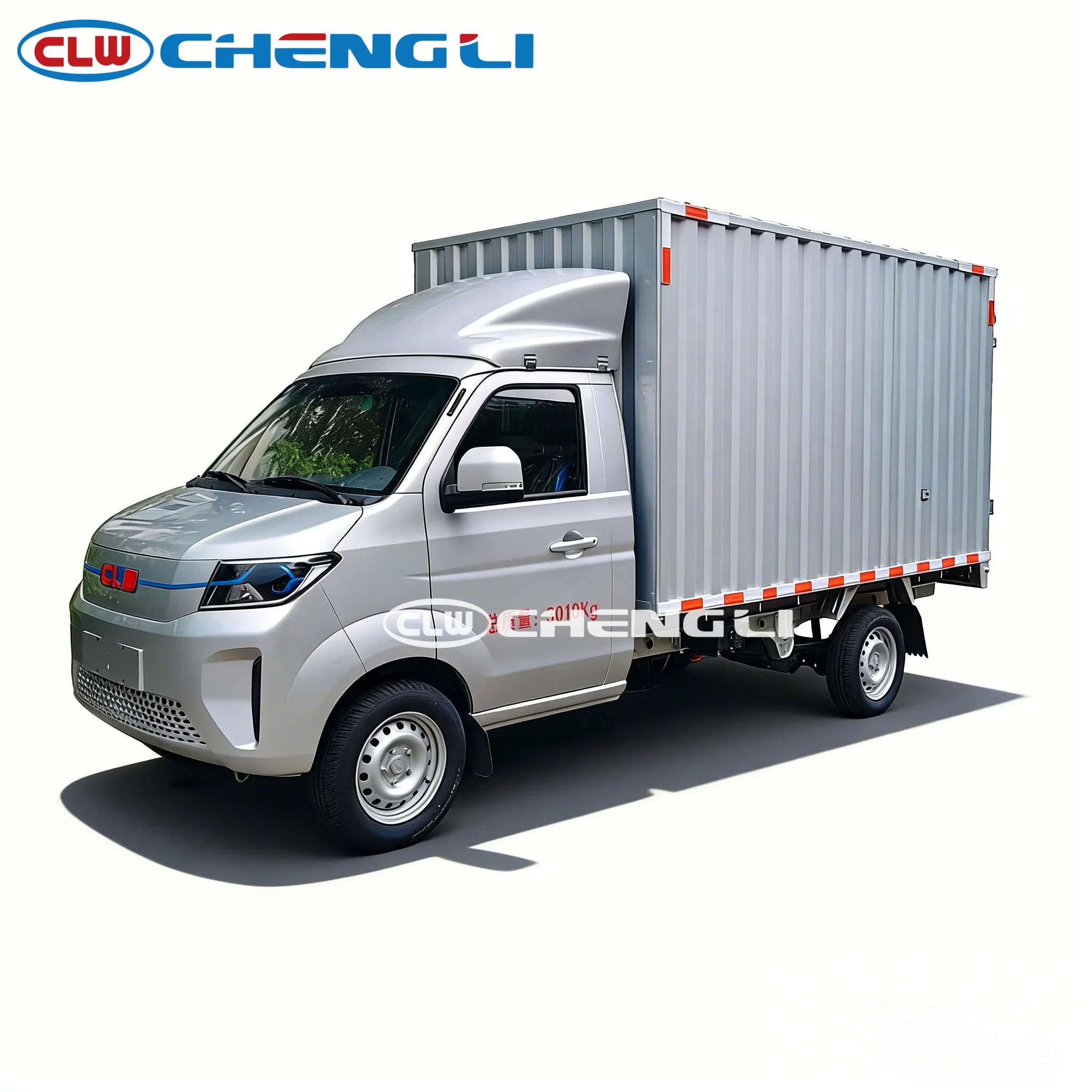
| CLW electric box truck | 3,010 kg | 1,880 kg | 1,130 kg | 1,130 kg |
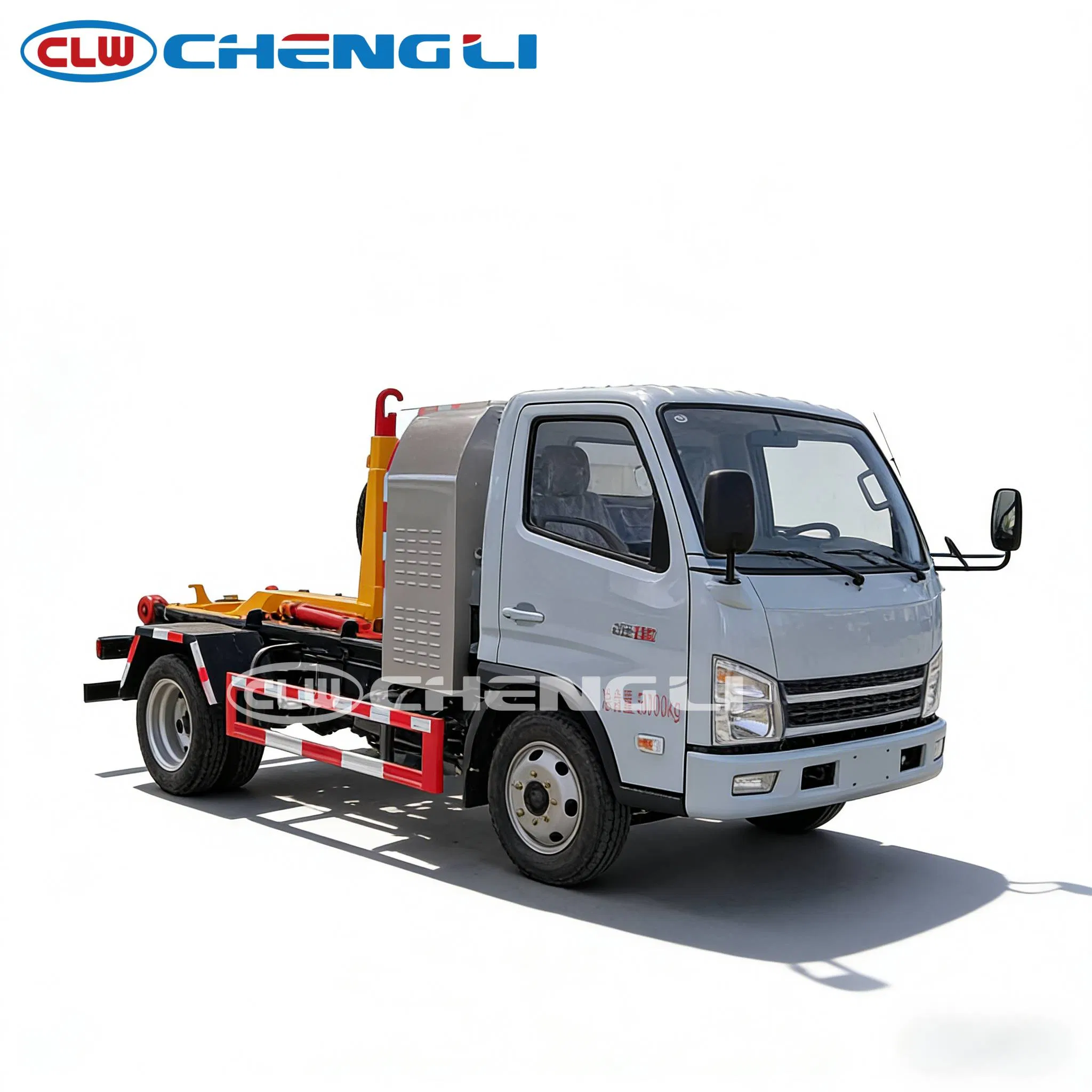
| Foton electric hook-lift truck | 4,495 kg | 2,700 kg | 1,795 kg | 1,665 kg, including the detachable bin |
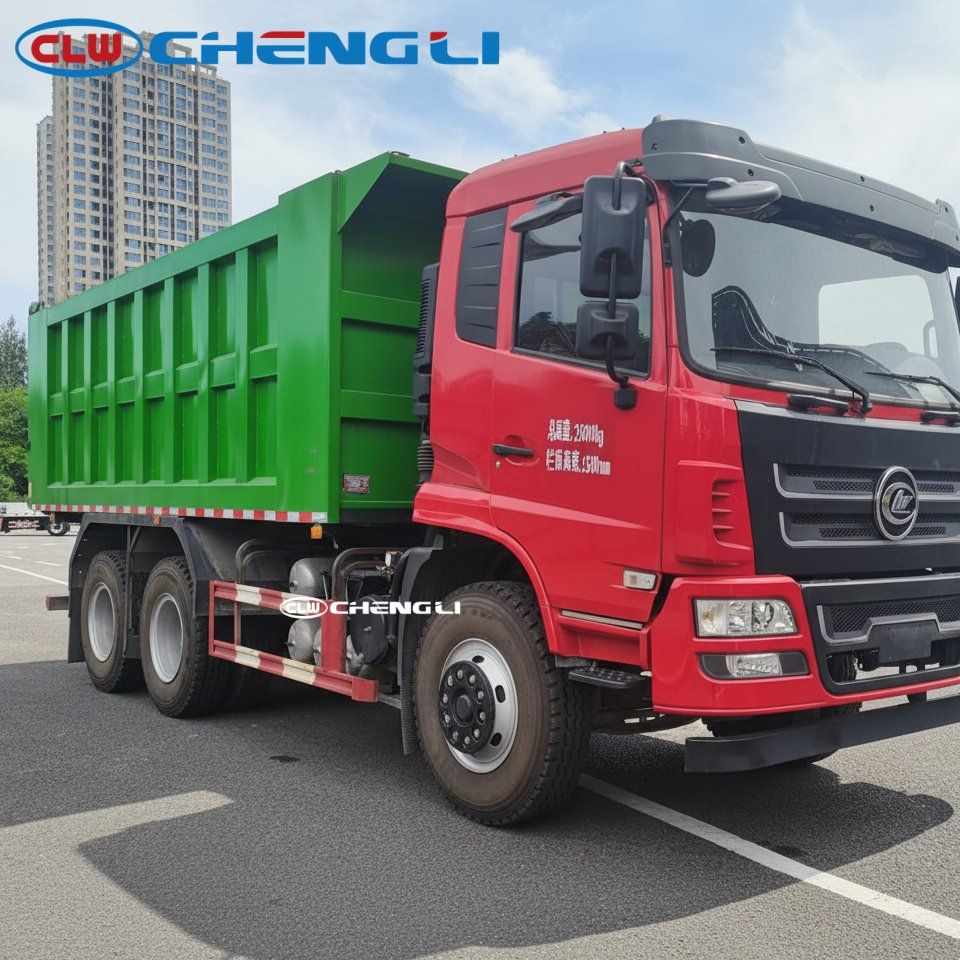
| CLW 6x4 rear dump truck | 25,000 kg | 9,550 kg | 15,450 kg | 15,320 kg |
The table exposes why copying only one headline number is risky. On the hook-lift and dump trucks, the arithmetic difference exceeds the stated payload by 130 kg. Do not spend that difference as extra cargo. Use the rated payload and ask for the final weighing basis if crew, accessories or regional approval changes the build.
How does payload differ from cargo volume?
Volume says how much space a body provides; payload says how much mass it may carry. They meet through density. Multiply volume by the density of the actual cargo, then compare the result with rated payload. One cubic meter equals 1,000 L. Water is approximately 1,000 kg/m³; dry materials, liquid fuels, mixed refuse and animal feed can vary materially. A full-volume load may be too heavy even when it fits physically.
The CLW electric box truck has a stated 1,130 kg payload, 3,010 kg GVW and 1,880 kg curb weight. Its cargo box is enclosed, but a verified internal box volume is not specified. Buyers should not invent a cubic-meter capacity from outer vehicle dimensions. Instead, check the chosen box drawing and the mass of the actual parcels, pallets or machinery.
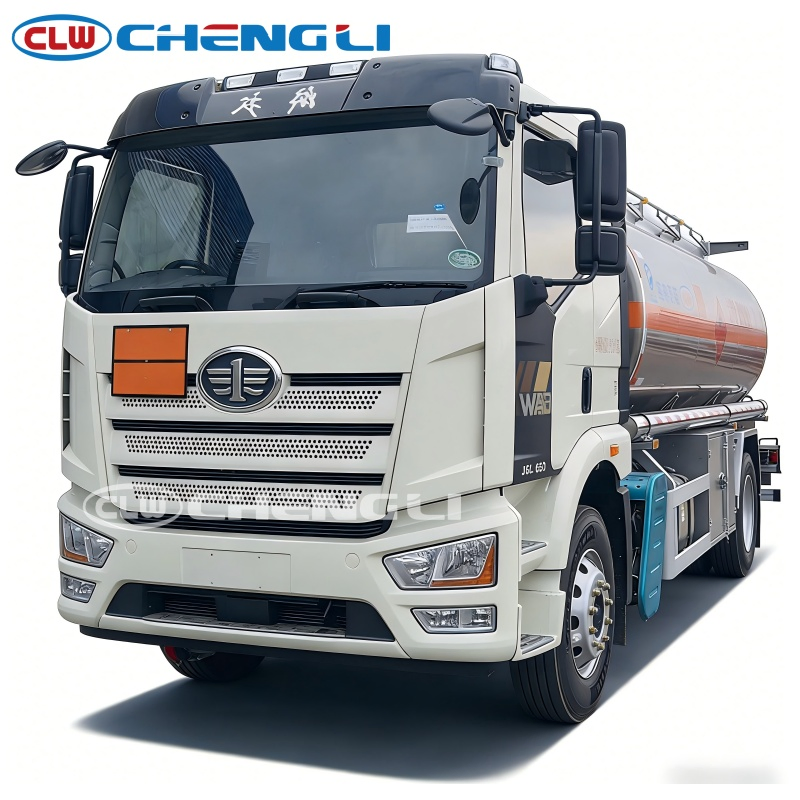
Similarly, a tank's nominal shell size is not a loading permit. Our FAW aluminium tanker has a 16 m³ nominal vessel but about 11,200 kg rated payload. At an illustrative 0.84 kg/L liquid density, 16,000 L would weigh about 13,440 kg, already over that payload before any additional cargo allowances. The actual permitted fill also depends on the approved fuel, expansion space, compartments and axle loads.
For solid bulk material, state whether the quoted body volume is internal usable volume or an outside-envelope estimate. A dump body may hold a mound of light material but overload with wet soil or dense rock before its visible space is full. Ask for both the legal mass rating and the body drawing, then calculate each regular cargo separately.
Why can GVW minus curb weight be greater than stated payload?
Weighing conventions vary, and published figures sometimes reserve an allowance for occupants or installed equipment. The Foton electric hook-lift truck illustrates the point: 4,495 kg GVW minus 2,700 kg curb mass gives 1,795 kg, while its stated rated payload is 1,665 kg. For purchase and operation, work to 1,665 kg unless a final approved build sheet establishes another number.
The hook-lift's 2.22–3.34 m³ figures describe compatible detachable container choices, not separate waste payloads. The carried bin itself uses part of the 1,665 kg allowance. If an empty container weighs 500 kg, the remaining waste allowance would be 1,165 kg as a worked example; the actual bin mass must be weighed. For wet waste, the container may fill visually before the remaining mass allowance is reached, or it may hit the mass limit first.
Truck dimensions can create a second trap. Moving a heavy pump or crane rearward increases rear axle loading even if total weight stays constant. Two builds with equal GVW and payload can have different axle distributions. For a tank or refuse body, request axle readings with the intended load and equipment positions. A buyer should ask for the allowable front and rear axle masses, not only a single vehicle total.
What changes when the truck carries water, fuel or slurry?
Liquid cargo creates several calculations. First, use density to convert the planned liters into kilograms. Second, allow the fill and expansion space required for that liquid and vessel. Third, check tank compartment and axle distribution. Finally, check the road-legal load for the exact truck. Water at approximately 1 kg/L makes the first step easy; 7,000 L of water are roughly 7,000 kg. The final fill can still be lower if the truck's rated payload or axle limits are lower.
For fuel, density varies with product and temperature. A 16 m³ vessel may carry different legal liter quantities for gasoline and diesel on the same chassis. Do not convert a nominal tank volume directly into a saleable delivery quantity. Ask the supplier to state the cargo, assumed density, compartment calibration and approved working fill. Chemical tankers need material compatibility as well as mass calculations; the safety data sheet for the actual cargo belongs in that discussion.
Slurry and sludge need more caution because solids change density during the job. An empty clean-water section and a partly filled waste section can shift axle loads differently from a full fresh-water tank. Request a loading plan for the heaviest normal material and all operating stages, not just the departure condition.
Are crane lift rating and truck payload the same?
No. Crane capacity is the load the crane may lift at a specified boom length and radius with its outriggers deployed. Vehicle payload is the mass that may be transported on the truck's deck within GVW and axle limits. Our HOWO 8x4 crane truck illustrates the distinction: its crane is rated for a maximum 14,000 kg lift at 2.5 m radius, while the vehicle's stated cargo payload is 9,505 kg. A load that can be lifted near the truck may still be too heavy to drive away with.
Crane capacity drops as the hook moves away from the vehicle. The same published crane chart gives 8,000 kg at 5 m radius and 850 kg at 19.9 m outreach. Ask for the certified chart, outrigger conditions and ground-bearing requirements for the final build. Never add crane lift and vehicle payload together as though they were one combined allowance.
The same separation applies to tow trucks: winch line pull, boom lift, underlift and deck payload describe different tasks. See our factory quality overview for the equipment and inspection context, then obtain the exact configuration sheet for the unit you intend to buy.
How do you calculate a working load from a specification sheet?
Begin with the finished GVW and curb mass, then read the stated payload rather than replacing it with your own subtraction. Weigh any detachable container or cargo accessory that is not already included in curb mass. For liquids or bulk goods, convert the expected working volume to mass using a justified density. Check each axle group in its worst likely loading position. If the cargo can move or slosh, specify the approved containment, baffles and operating fill.
The CLW 6x4 rear dump truck has 25,000 kg GVW, 9,550 kg curb mass and 15,320 kg rated payload. Its published body envelope is not a verified internal usable volume, so a buyer should not infer a guaranteed cubic-meter load from those outside dimensions. Establish the approved body drawing and the density of each material before promising a number of tonnes per trip.
Document the assumption behind every calculation. "15,320 kg rated payload" is a vehicle mass limit; "15 m³ body" would be a physical-space statement if an approved body drawing supported it; "15 m³ of wet soil per trip" would require density and axle evidence. Keeping those statements separate prevents a quotation from becoming an unintended overloading promise.
What should you confirm before ordering?
- Ask for GVW, finished curb mass and rated payload for the exact body, chassis and option list.
- Confirm whether occupants, fuel, loose tools and detachable containers are included in the mass figures.
- Request front, rear and tandem axle ratings, plus loaded axle calculations or weighbridge readings.
- State each cargo's normal and worst-case density, including water, fuel, waste and bulk solids.
- Separate nominal tank or body volume from legal working fill and actual transported mass.
- For cranes, obtain the radius-specific lift chart and the separate vehicle cargo payload.
- Check the route's bridge, road and destination-market registration limits before finalizing the build.
FAQ
Is GVW the same as how much a truck can carry?
No. GVW is the maximum permitted mass of the complete loaded vehicle, including the truck itself. Payload is the carried mass available under its approved configuration. A 25,000 kg GVW dump truck with 9,550 kg curb mass in our range has a stated 15,320 kg payload, not a 25,000 kg payload.
Can I calculate payload by subtracting curb weight from GVW?
Use that subtraction as a cross-check, not as an automatic replacement for the published rating. The Foton hook-lift example gives a 1,795 kg arithmetic difference but a 1,665 kg rated payload. Final equipment, occupant allowances and axle limits may explain a difference. Obtain the approved build sheet before revising a load plan.
Does a 10 m³ tank legally hold 10 tonnes of water?
Ten cubic meters of water weigh about 10,000 kg, but the truck must still have at least that much approved payload after the tank body and equipment are counted. Axle loads, tank design and permitted working fill may impose a lower limit. A vessel's geometry is only one part of the answer.
Does an empty removable bin count against payload?
Yes. If the bin is carried on a hook-lift truck, its tare mass uses part of the truck's rated carried load. The Foton model's 1,665 kg rated payload includes its detachable container. Weigh the actual bin and subtract that mass to plan the maximum waste load for the selected configuration.
Can a crane truck transport its maximum crane lift?
Not necessarily. The HOWO 8x4 crane's near-radius maximum lift is 14,000 kg, while its stated vehicle cargo payload is 9,505 kg. Lifting also depends on boom radius and outrigger conditions. Transport depends on GVW, axle loading and deck arrangement. Verify both limits separately for every proposed job.
Use the finished vehicle's stated payload and axle ratings to set a working mass, then check whether the body can contain that cargo. Browse our vehicle categories and send the load type, density and destination market through our contact page for a configuration-specific comparison.