A municipal sanitation fleet should be planned around four jobs: collecting waste, cleaning roads, supplying water for washing and maintaining drains or sewers. Match each vehicle to route length, material volume, access and disposal or refill points. The truck count comes later, after the city measures workload and defines the service standard it wants to deliver.
What work must the sanitation fleet cover?
Start by dividing the service area into work zones rather than assigning a vehicle to every neighborhood. Record road length and width, traffic restrictions, curbside collection method, bin size, waste-transfer distance and the location of water and sewage facilities. Some zones need frequent refuse pickup but little mechanical sweeping. Others have wide arterial roads where a sweeper can work efficiently, yet narrow residential streets require a smaller collection vehicle.
Separate routine work from seasonal or emergency work. Leaf fall, storm debris, roadworks and blocked drains create peaks that differ from an ordinary day. A core fleet should complete its regular routes without relying on every vehicle operating continuously at its maximum rating. Then decide how backup vehicles, spare parts and contractor support will cover breakdowns or short-lived peaks. This is a scheduling decision, not a fixed truck-to-population formula.
The sanitation vehicle range includes different bodies for these jobs. Choosing between them begins with the material handled and the route, not with the largest available tank or hopper.
How should collection trucks be assigned?
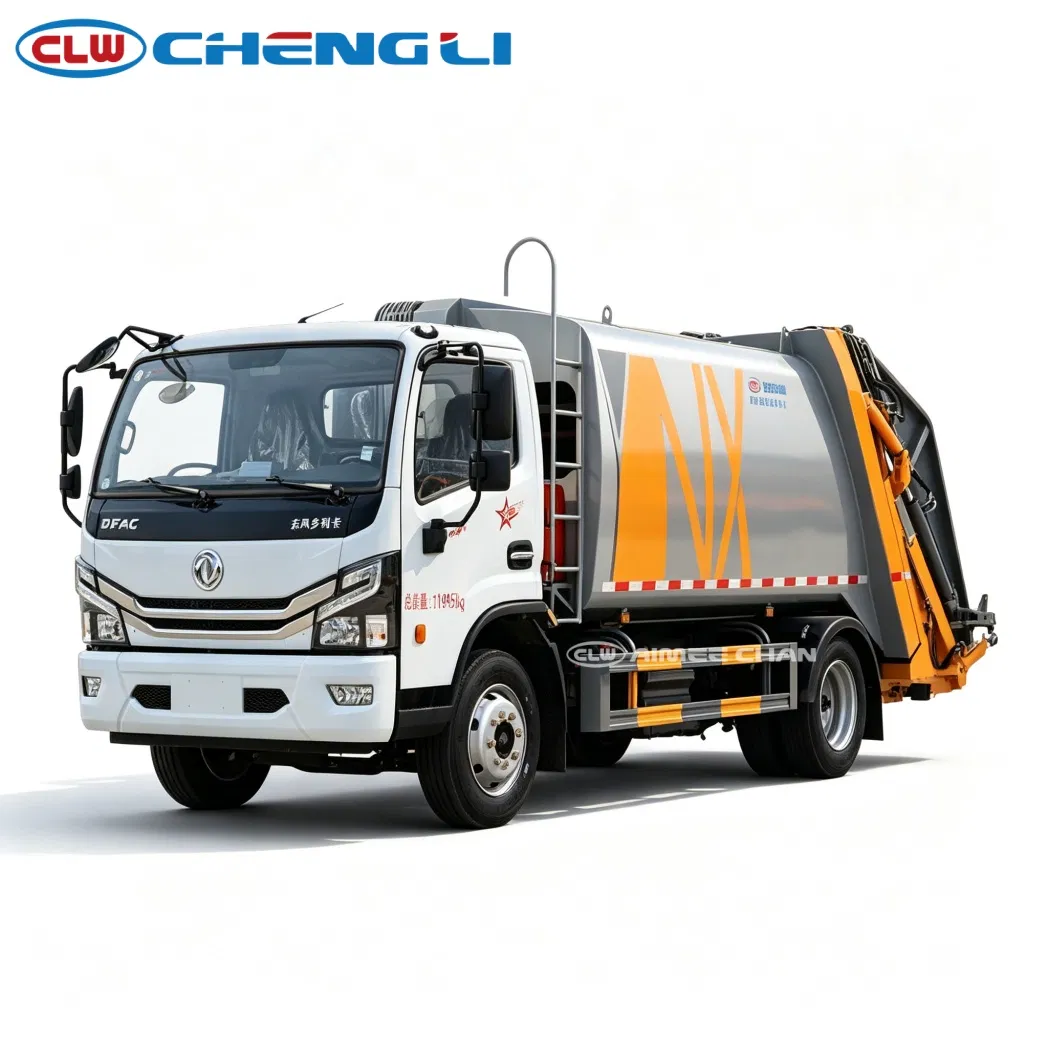
Waste collection is constrained by both body volume and legal payload. A truck may fill by volume first with light dry refuse, or reach its mass limit first with wet food waste. The Dongfeng Dolica 9 m³ rear loader has a stated 5,135 kg payload. Those figures are different constraints; do not promise that every load can fill the body to its geometric limit. Specify the bin-lift interface, collection frequency, compaction arrangement, disposal route and the heaviest likely waste stream.
Measure time per stop and travel time to the transfer station. A route with many short stops can be limited by collection time even if the truck returns partly empty. A route far from disposal can be limited by travel. At a planning workshop, draw the path from the first pickup to discharge and back, including traffic windows, one-way streets and the places a full truck can turn safely. The service plan should state whether collections occur daily, on designated days, or after a fill-level trigger.
For different collection bodies and bin systems, use the garbage truck types guide as a decision aid. Keep the final vehicle list tied to the bins actually installed or planned in the city.
Where do sweepers and water trucks add value?
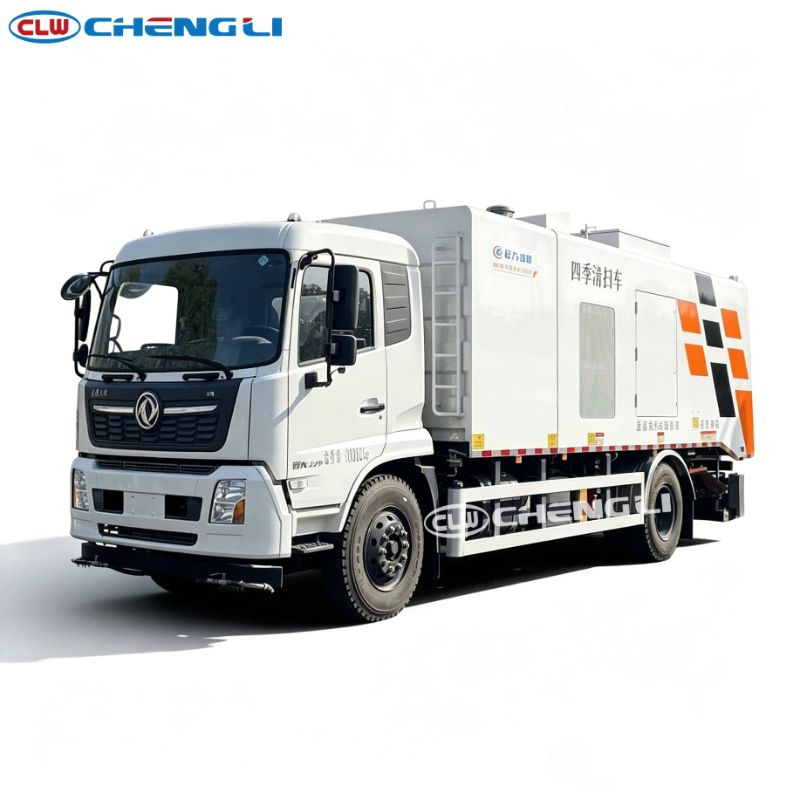
Mechanical sweeping works best where a truck can maintain a safe, steady path along the curb. Measure the width to be cleaned and the length of accessible roads, then account for parked vehicles, markets, medians and turning areas. The Dongfeng Tianjin dry-wet road sweeper carries an 11 m³ dust bin and a 6.5 m³ water tank, with a 210 hp auxiliary engine. Hopper volume and water volume are separate planning figures. Their useful cycle depends on debris type, dust level and refill and discharge travel.
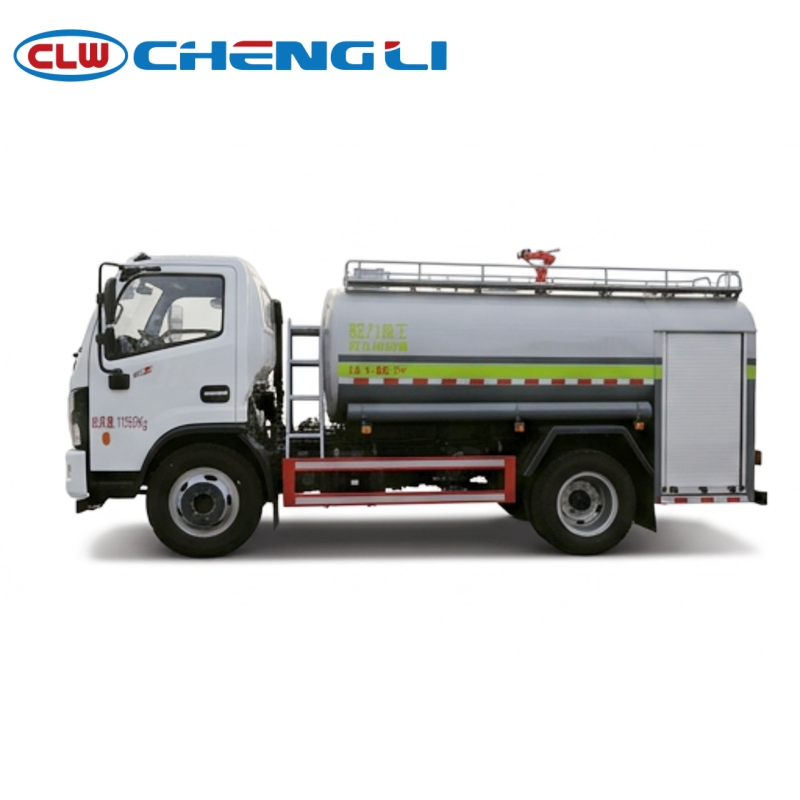
Water trucks can wash roads, wet dusty surfaces or support other municipal tasks. The Dongfeng 4x2 diesel sprinkler has a 7 m³ physical tank and a stated 12–16 m spray width. The actual amount of water carried must remain within the completed vehicle's permitted mass and axle ratings. One cubic meter of water weighs about one tonne, so tank geometry must never be treated as a legal payload statement. Refilling points and pump operating time can limit daily output more than tank size alone.
Schedule sweeping and washing together where useful, but avoid an automatic rule that every sweeper needs a following sprinkler. On some roads, washing after loose debris has been removed makes sense; on others, available water and drainage capacity make a dry or light-spray pass more practical. Define the desired result for each road type and review the road sweeper selection guide before fixing the equipment mix.
How should sewer and drain maintenance be covered?
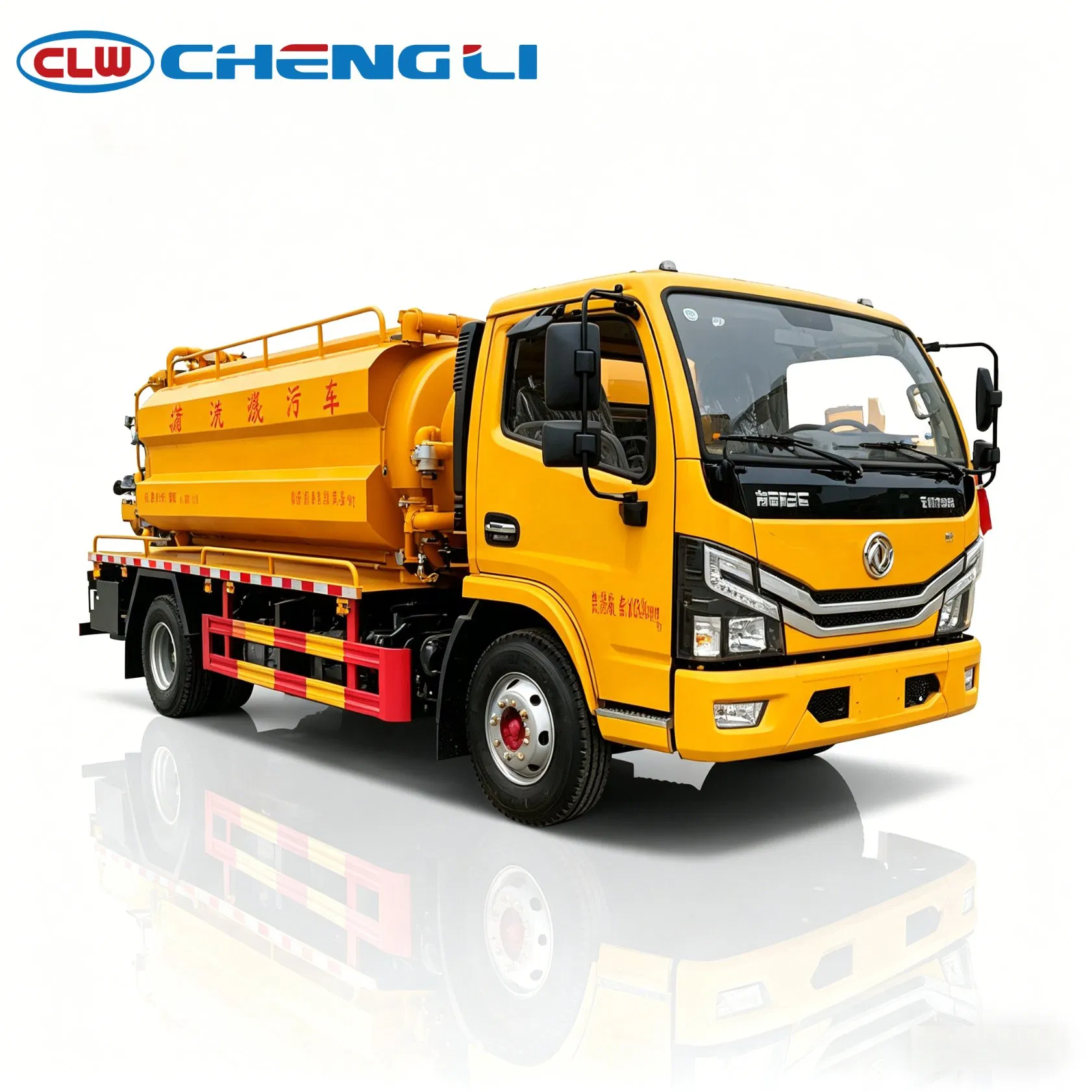
A blocked drain, septic tank and heavily sedimented sewer are different jobs. Vacuum equipment removes liquid and sludge; high-pressure jetting loosens deposits and clears pipe walls. A combination unit carries both systems but is larger and demands more water and disposal planning. For narrow roads or height-restricted access, the Dongfeng Duolika 4x2 low-profile jetting truck offers a 4 m³ sewage tank and 2 m³ water tank. Its listed SK-9 pump is rated at 420 m³/h and its suction depth is at least 9 m under the published configuration. Site conditions and hose losses still matter.
For larger routes, the Dongfeng Kinland 8x4 combination truck has a 15 m³ sewage tank and a 10 m³ water tank. These are physical capacities, not permission to exceed axle or gross weight limits. Before specifying a large unit, verify access to manholes, turning space, water refill sources and licensed discharge or treatment points. A truck that cannot reach or unload at the worksite will not improve response time.
Record call-outs by location and defect type. Frequent blockages near one market might justify a regular jetting schedule; widely scattered incidents may favor a mobile combination vehicle. The fleet planner should work with the drainage team so routine inspections, clearing, sludge handling and emergency response use the right vehicle rather than one all-purpose truck for every incident.
What is a practical way to size the fleet?
| Work stream | Useful planning measure | Published vehicle example | Main constraint to confirm |
|---|---|---|---|
| Refuse collection | Stops, bin volume, waste mass and disposal travel | 9 m³ rear loader; 5,135 kg payload | Full-route time and legal payload |
| Road sweeping | Accessible lane length, debris and refill points | 11 m³ dust bin; 6.5 m³ water tank | Hopper and water cycle |
| Water spraying | Road length, dust level and water source | 7 m³ physical tank; 12–16 m spray width | Permitted loaded mass |
| Sewer maintenance | Incidents, pipe access and disposal distance | 4 m³ sewage plus 2 m³ water, or larger combination unit | Access, water and sludge disposal |
Build a worksheet for each route: time to reach the first job, productive work time, unloading or refilling time, travel back and maintenance allowance. Compare the total with the actual shift available. Repeat for the busiest normal day. If the schedule only works with no traffic, no queue at the disposal site and no maintenance time, the plan has no operational margin. Use local measurements to decide vehicle numbers; do not copy a population ratio from another city.
Consider common chassis parts and workshop capability, but do not force all bodies onto one platform. Road geometry, turning radius, axle loads and body equipment may justify several chassis sizes. Review municipal sanitation applications with operations, procurement and maintenance staff before choosing the final mix.
What should buyers specify before ordering?
- Service zones, route maps, road width and access or height restrictions.
- Collection bins, waste types, pickup frequency and disposal locations.
- Road cleaning outcomes, lane length, debris levels and water availability.
- Sewer incident records, pipe access, suction and jetting requirements.
- Required legal payload and axle limits for each completed vehicle.
- Shift length, staff skills, workshop capacity and backup arrangements.
- Facilities and permissions for water filling, waste tipping and sludge disposal.
Ask suppliers to confirm the complete vehicle specification, including body equipment, rated mass, permitted load and service access. Share route examples so the proposal addresses actual use rather than nominal capacity alone. If a city has several departments, name the vehicle owner and dispatch process for work that crosses sanitation, roads and drainage teams. This avoids buying a specialized truck without a clear operating slot.
FAQ
Can one truck cover collection and road cleaning?
Generally, these jobs need different bodies and work cycles. A collection truck carries refuse and uses a lift or compactor, while a sweeper needs brushes, suction and a dust hopper. A small municipality may share drivers or workshop resources, but it should not assume one body performs both tasks. Compare route hours before combining staff schedules.
Should every district receive the same number of vehicles?
No. Districts differ in road length, access, waste density and distance to disposal facilities. Measure stops and productive hours, then assign routes to vehicles that can complete the work within a shift. Adjust the plan for market days, seasonal debris and maintenance downtime. A uniform allocation may leave one area over-served while another misses collections.
What limits the daily output of a water sprinkler truck?
Tank fill mass, refill distance, spray setting, route speed and permitted operating hours all matter. A 7 m³ physical tank does not automatically mean 7,000 L can be carried legally in every configuration. Confirm the complete vehicle's rated mass and axle loads, then time a refill and a representative spraying run to estimate daily work.
When is a combination sewer truck useful?
It suits routes that require both jetting to loosen deposits and vacuum extraction of the resulting sludge. Its larger tanks can reduce some refill and disposal trips, but site access, axle weight and discharge facilities remain essential checks. For confined roads or low overhead clearance, a smaller unit may reach work that an 8x4 combination truck cannot.
How much spare capacity should a municipal fleet have?
There is no universal percentage. Base the allowance on vehicle availability, route criticality, repair turnaround and the service level the municipality promises. Identify which routes can be rescheduled and which require immediate cover. Maintenance records and measured peak days provide a better basis for backup decisions than an untested fleet-size formula.
Design the fleet from measured collection, sweeping, watering and drainage workloads, then check every proposed truck against road access, legal load and the available facilities. Send your routes, work volumes and operating constraints to the CLW team for a configuration discussion.