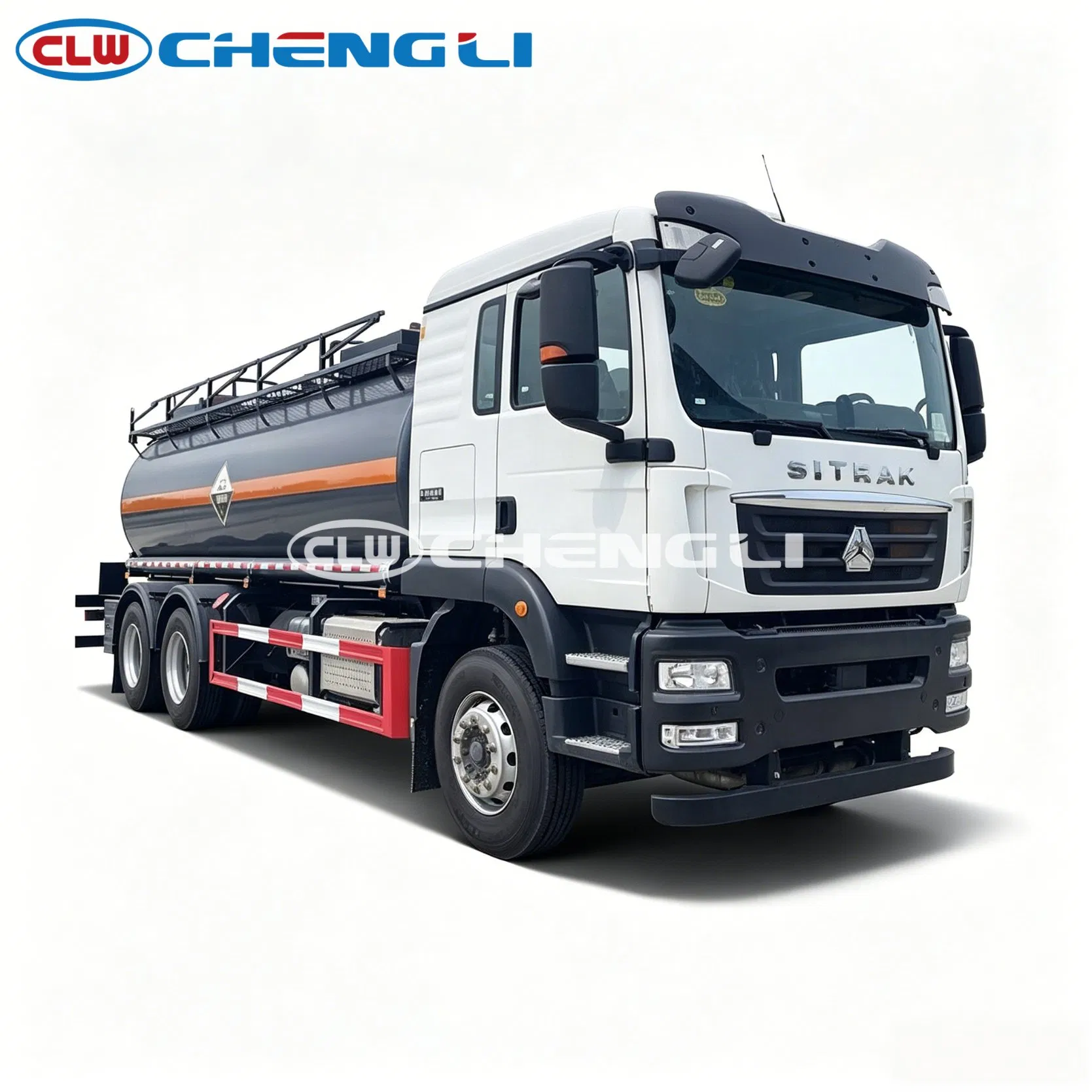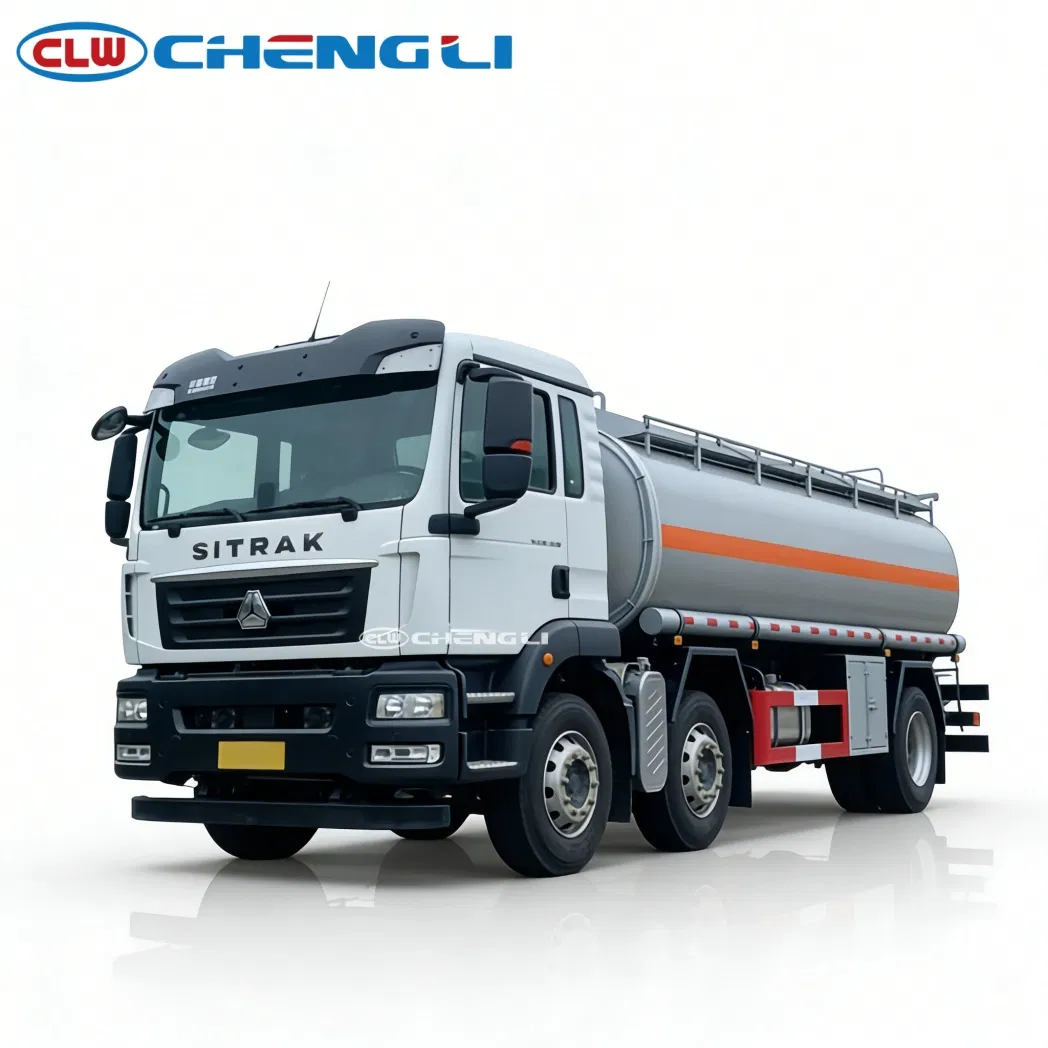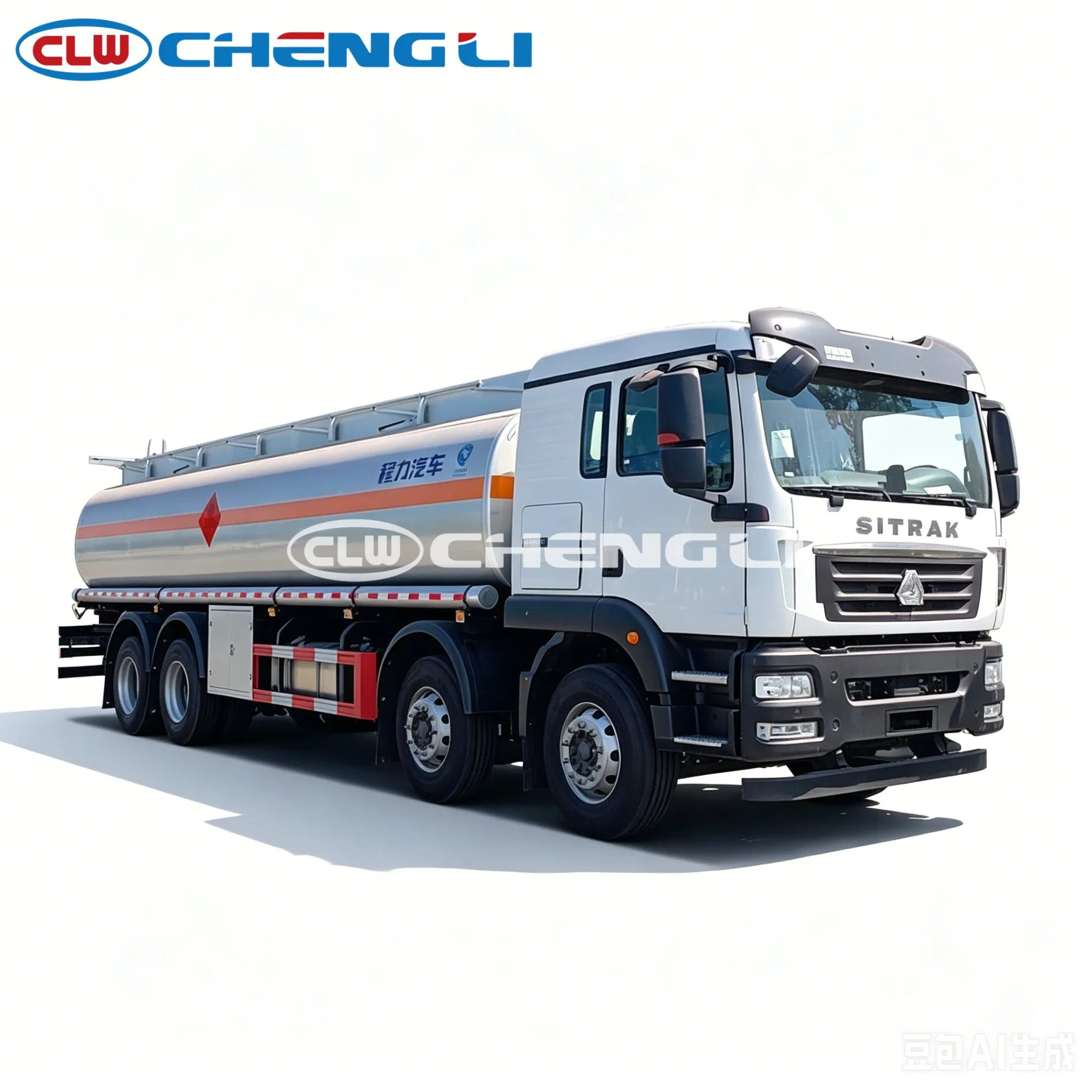
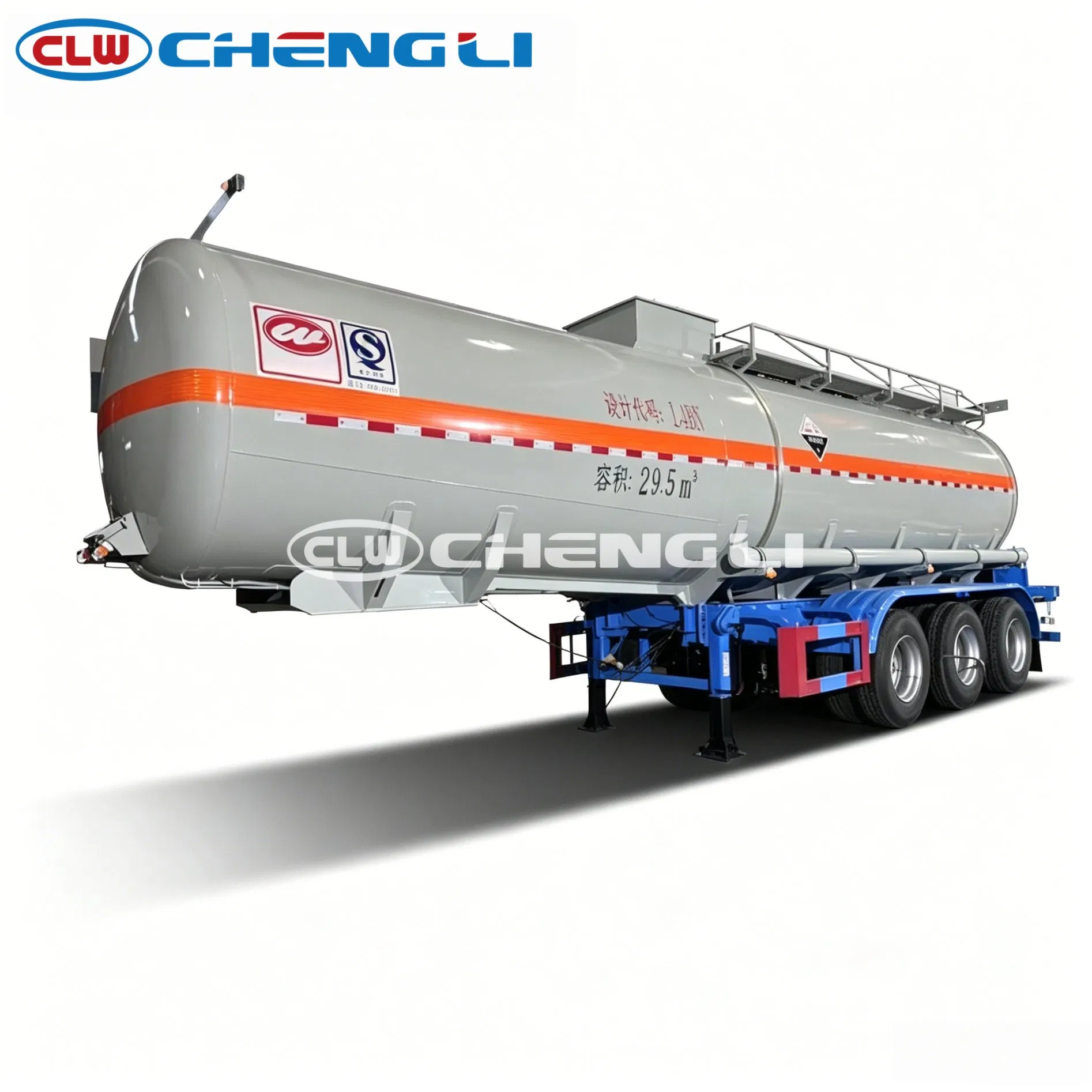
Choose a chemical tanker's material from the cargo's safety data sheet, not from a catalog: carbon steel for fuels and many non-corrosive liquids, stainless steel for a wide range of corrosive or high-purity products, aluminum where light fuels need a lighter shell, and a lined carbon steel tank when an aggressive cargo must be kept off the steel entirely.
Why the safety data sheet decides the tank material
Every chemical tanker truck is built around one question: what will touch the inside of the tank, at what concentration and at what temperature? The safety data sheet (SDS) for each product answers most of it. Section 7 covers handling and storage conditions, section 9 gives physical properties such as relative density, boiling point and vapor pressure, and section 10 covers stability and reactivity, including materials to avoid. Read those sections before you ask for a tank drawing, not after.
Three details change the answer more than buyers expect. Concentration: the same chemical can be mild when dilute and aggressive when concentrated, or the other way round, so a material that works at one strength may fail at another. Temperature: corrosion rates and lining limits both depend on how warm the cargo is when loaded and whether it is heated in transit. Contamination: trace water or residue from a previous load can turn a compatible pairing into a corrosive one. A general guide cannot settle compatibility for a specific chemical; confirm compatibility with your product's safety data sheet and with the steel or lining supplier's resistance data for that exact grade and concentration.
The shell is only part of the wetted system. Valves, gaskets, hoses, pump internals, level gauges and manhole seals all touch the cargo, and a stainless tank with an incompatible gasket still leaks. Section 14 of the SDS gives the transport classification; use it to tell us which dangerous-goods rules your market requires, and confirm them at quotation.
Tank material options compared
| Material | Typical cargo families | Strengths | Limitations | Example in our range |
|---|---|---|---|---|
| Carbon steel (e.g. Q235B) | Diesel, gasoline, kerosene and many non-corrosive oils | Lowest material cost, easy to weld and repair in most markets | Rusts with water, corrodes quickly with most acids, heaviest shell | FAW J6F 4x2 9,800 L fuel tanker |
| Aluminum alloy (e.g. 5182) | Light fuels and some petroleum products | About one-third the density of steel, so lower tare and more legal payload | Attacked by many strong acids and alkalis, needs skilled welding and repair | Dongfeng 8x4 25.5 m³ fuel tanker |
| Stainless steel (304 / 316L) | Food liquids, many chemicals, high-purity products | Corrosion resistance without a lining, cleans well between loads | Higher material cost, grade must match the cargo, not immune to every chemical | 32.2 m³ 304 stainless milk semi-trailer |
| Lined carbon steel | Corrosive liquids that must not contact the steel | Steel structure with a chemical barrier chosen for the cargo | Temperature and abrasion limits, damage exposes the steel, needs regular inspection | 32 m³ sulfuric acid tank semi-trailer |
Material is a specification choice, not a fixed property of the truck model. Our Dongfeng D9 4x2 13 m³ tanker, for example, is offered in carbon steel, aluminum alloy or stainless steel on the same chassis with 5 mm plate. Most of the petroleum side of the range, from 2,630 L to 30.8 m³, sits in our fuel tanker trucks category.
LPG tankers are a different design class altogether: they are pressure vessels, not atmospheric tanks, and we do not currently list this type.
Carbon steel, aluminum and stainless steel: where each fits
Carbon steel
Carbon steel is the default for diesel and other petroleum products that do not attack it. It is inexpensive, tolerant of rough service and repairable by most truck body shops. The trade-off is weight and corrosion: moisture in the cargo or condensation in a part-empty tank starts rust, and most acids or strong oxidizers corrode bare steel quickly. Our FAW J6F 4x2 9,800 L tanker uses Q235B carbon steel in a single compartment, with a 6,545 kg rated payload on an 11,995 kg GVW chassis.
Aluminum alloy
Aluminum's value is tare weight. At roughly 2.7 kg/dm³ against about 7.85 kg/dm³ for steel, an aluminum shell stays lighter even though it needs thicker plate, and every kilogram saved on the tank can be carried as cargo within the same gross weight. Our Dongfeng 8x4 25.5 m³ tanker uses 5182 aluminum alloy on a 32,000 kg GVW chassis. Aluminum is a poor match for many strong acids and alkalis, so it belongs mainly in fuel service, where our fuel tanker truck buying guide weighs it against carbon steel.
Stainless steel
A stainless steel tanker resists a wide range of corrosive and high-purity cargoes without a lining, and its smooth surface cleans quickly between loads. Grade matters: 304 is the common food and general-purpose grade, while 316L adds molybdenum for better resistance to pitting. Neither grade resists everything, and welds, heat-affected zones and surface finish all affect performance, so ask how welds are finished and whether the interior is pickled and passivated. Our 32.2 m³ milk semi-trailer uses mirror-polished 304 stainless with polyurethane foam insulation. It is built for food rather than chemicals, but it is a useful reference for what a polished, insulated stainless tank involves.
Lined carbon steel tanks for corrosive cargo
A lined tank separates two jobs. The carbon steel shell carries the load, the fittings and the chassis forces; the lining, typically rubber, a polymer or another coating chosen for the cargo, keeps the liquid off the steel. This lets a heavy-duty trailer carry cargo that would attack bare steel, usually at a lower material cost than a solid high-alloy tank of the same size.
Our 32 m³ three-axle sulfuric acid tank semi-trailer is built this way: a carbon steel tank with an internal corrosion-resistant coating or lining, reinforced manholes, pressure-relief equipment and discharge valves, running on three axles with mechanical or air suspension. The lining is specified for the intended medium, and using the trailer for another hazardous liquid requires a fresh compatibility review. It sits with our other tank and bulk semi-trailers.
Linings bring their own checks. Every wetted surface, including manhole necks, nozzles and any internal baffles, has to be covered or made from a compatible material. Linings have maximum service temperatures, so heated cargo or hot cleaning can damage them. Mechanical damage from tools, abrasive solids or careless manhole entry exposes a patch of steel that the cargo will then attack from a single point. Ask who in your region can inspect and repair the lining before you commit to it.
Density, payload and how full the tank can be
Many chemical cargoes are much heavier than water, and that changes how much of the tank you can use. Rated payload, not geometric volume, sets the cargo mass. Taking the 28,500 kg payload of our 32 m³ acid trailer as the example, the maximum load volume at different densities works out as follows:
| Cargo density | Maximum volume for 28,500 kg | Share of a 32 m³ tank |
|---|---|---|
| 0.84 kg/L | 32,000 L (about 8,450 US gal), tank full at about 26,900 kg | 100% |
| 1.0 kg/L | 28,500 L (about 7,530 US gal) | about 89% |
| 1.3 kg/L | about 21,900 L (about 5,790 US gal) | about 68% |
| 1.5 kg/L | 19,000 L (about 5,020 US gal) | about 59% |
| 1.8 kg/L | about 15,800 L (about 4,180 US gal) | about 49% |
These are arithmetic examples, not loading instructions: road limits, axle loads and the tank's approved filling ratio all apply, and the density to use is the one in section 9 of the SDS at your loading temperature. The practical point is that a dense cargo in a large tank travels part-full, and a part-full load surges under braking and cornering. Ask how the design controls surge, whether through compartments, baffles or a shorter tank sized for the dense product, and remember that in a lined tank every baffle has to be lined too.
What to confirm before ordering a chemical tanker
Operators in the oil, gas and chemical sector usually hold most of this information already. Put it in the inquiry and the first tank drawing will be much closer to the final one.
- The SDS for every product the tank will carry, with concentration, loading temperature and density at that temperature.
- Shell material and exact grade (carbon steel, 5182 aluminum, 304 or 316L stainless), plate thickness and weld finishing.
- Lining type, maximum service temperature and the lining supplier's resistance data for your cargo, if the tank is lined.
- Materials of valves, gaskets, hoses, pump and level gauge, checked against the same SDS.
- Working fill volume and cargo mass against payload and axle limits, plus the compartment or baffle layout.
- Insulation or heating if the cargo must stay within a temperature band in transit.
- Pressure relief, venting, manholes and discharge arrangement for your loading and unloading sites.
- The dangerous-goods rules your market requires, specified at inquiry and confirmed at quotation.
FAQ
What is the difference between a hazmat tanker and a chemical tanker?
Hazmat tanker is the broader term: any tank vehicle carrying goods classed as dangerous, including fuels, gases, acids and toxic liquids. Chemical tanker usually means a tank built for industrial chemicals rather than fuel, often in stainless steel or with a lined shell. A fuel tanker is therefore a hazmat tanker, but it is rarely called a chemical tanker. When you describe the vehicle to a supplier, name the cargo and its UN number rather than just the category.
Can one tanker carry different chemicals on different trips?
Sometimes, but only when every wetted material suits every cargo and the tank can be cleaned to the standard the next product requires. Residue from one load can react with the next or contaminate it, and a lining approved for one medium may not suit another. Many operators keep a tank in dedicated service for this reason. If you plan to switch products, send the SDS for each one at inquiry so the material choice covers the whole list.
Is an acid tanker always made of stainless steel?
No. Acid tankers are built from lined carbon steel, stainless steel or other materials chosen for the acid, its concentration and its temperature. Stainless steel is not automatically the right answer, because some acids attack certain stainless grades. Our 32 m³ acid semi-trailer uses a carbon steel shell with an internal corrosion-resistant lining instead. Confirm compatibility with your product's safety data sheet and the material supplier's resistance data before choosing a construction.
How is a tank lining checked in service?
Visual inspection through the manhole catches blisters, cracks and swelling, but pinholes are hard to see. Lining inspectors commonly use a spark or holiday tester, which finds gaps in a nonconductive lining by passing a high-voltage probe over the surface. Thickness and adhesion checks follow where damage is suspected. Keep a record of each inspection, the cargoes carried and any repairs, because lining life depends heavily on service conditions.
Should I choose a rigid chemical tanker truck or a tank semi-trailer?
A tank semi-trailer carries more per trip: our 32 m³ acid trailer runs at 40,000 kg GVW on three axles, far beyond a two-axle rigid truck. Rigid tankers such as our 18,000 kg GVW Dongfeng D9 fuel truck suit shorter routes, tighter sites and smaller drops. For dense chemicals the payload usually decides, so compare cargo mass per trip rather than tank volume. Our guide to semi-trailer types covers trailer layouts.
Start with the SDS, choose the shell and lining that suit the cargo at its real concentration and temperature, then size the tank to your payload rather than to the largest volume on offer. Begin with our hazmat tanker trucks category, then send your product's SDS, target volume and destination market through our contact page and our engineers will propose a tank material and layout for your review.